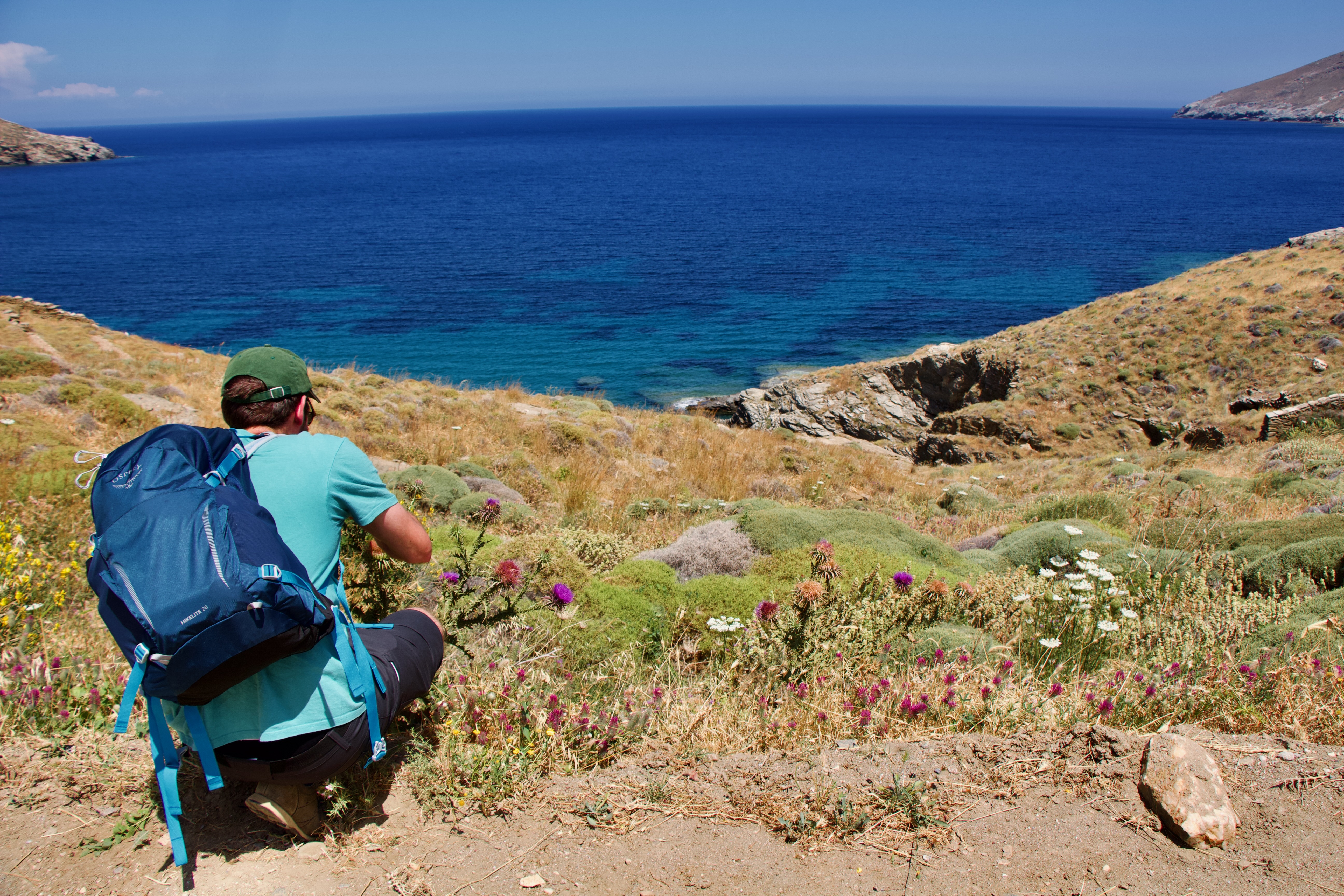
Interview with a social insect scientist: Stefano Cavallo

Stefano is a biologist specializing in animal behavior and currently works as a research fellow in behavioral ecology at the University of Florence. In this interview, he recalls moment he realized that even ants show individual personalities. His lastest research in Insectes Sociaux can be read here.

IS: Who are you, and what do you do?

I’m Stefano Cavallo, a passionate biologist specialized in animal behaviour. I’m living in Pisa and currently work at the University of Florence as a research fellow in behavioural ecology. My interests range from communication and cognitive aspects of animal behaviour in invertebrates and beyond. At the moment, my project focuses on exploring phenotypic plasticity—particularly behavioural plasticity—in marine decapods.

IS: How did you develop an interest in your research?

Since I was a child, I’ve always been passionate about animals. Although I grew up in a city, I had the chance to keep and observe a variety of species—fish, amphibians, reptiles, birds, mammals, and of course, insects. Among them, social insects, and especially ants, have always fascinated me. Their remarkable social organization combined with apparent simplicity sparked both curiosity and deep biological admiration in me. As my studies in biology progressed, I developed a strong interest in behavioral biology. What I find most stimulating is the possibility of identifying similar behavioral patterns in evolutionarily distant species, both human and non-human.

IS: What is your favorite social insect, and why?

It’s hard to choose just one. I’m fascinated by social insects for very different reasons: for instance, the interspecific relationships of Atta ants, the communicative flight and cognitive abilities of Apis mellifera, and the complex social structure of Polistes dominula all capture my interest. What I find most stimulating is not a single species, but rather those organisms capable of challenging the “dogmas” of biology. For example, the recent discovery by Juvé et al. (2025) on Messor ibericus which destroy species definitions.

IS: What is the best moment/discovery in your research so far? What made it so memorable?

One of the best moments in my research was when I first realized that even ants—creatures we often think of as identical and mechanical—show individual personalities. That realization was unforgettable: it felt like discovering a hidden layer of complexity within a familiar world. From that moment on, I stopped seeing colonies as uniform units and started seeing them as societies of individuals.

IS: Do you teach or do outreach/science communication? How do you incorporate your research into these areas?

No, at the moment I don’t deal with these aspects but in the future I hope it can become part of my job as a scientist. I think it is important to disseminate scientific advances to a wide audience and shorten the distances between laboratories, research and the general public.

IS: What do you think are some of the important current questions in social insect research, and what is essential for future research?

As we know, the environment today is subject to strong anthropogenic pressures and global warming is shaping habitats very quickly. The effects on social insects are still poorly understood. I believe it is essential to focus on these aspects and understand how changing conditions act on the biology and behavior of social insects.
IS: Outside of science, what are your favorite activities, hobbies, or sports?

I love being in nature, trekking in the mountains, climbing, swimming and snorkelling

IS: What is the last book you read? Would you recommend it? Why or why not?

The last book I read was Entangled Life: How Fungi Make Our Worlds, Change Our Minds and Shape Our Futures by Merlin Sheldrake. I would definitely recommend it—it’s a fascinating and beautifully written synthesis of what we know about fungi. These organisms are extraordinary in the way they challenge traditional paradigms of biology and reveal how deeply interconnected life really is.

IS: How do you keep going when things get tough?

I practice tai-chi and mindfulness techniques to stay in the present moment and focus on beautiful things.

IS: If you were to go live on an uninhabited island and could only bring three things, what would you bring? Why?

I would bring a knife, a tinderbox and a book on edible plants. These three things would help me get food, be able to cook and warm up and not die of intoxication haha!
IS: Who do you think has had the most considerable influence on your science career?

I believe that the most important role was played by two high school teachers. My chemistry professor and biology professor taught me scientific rigor and wonder at the living world

IS: What advice would you give to someone hoping to be a social insect researcher in the future?

If I had to advise someone to hop to be a social insect researcher, I would tell them to follow the thirst for knowledge and not stop at appearances. I would ask him to always look with a critical eye at those who claim to have absolute certainties in biology.

IS: Has learning from a mistake ever led you to success?

I couldn’t point to a specific mistake, but I believe that in private life and at work we often learn by falling and making mistakes. Trying by trial and error: this is generally just how we manage to grow.

IS: What is your favorite place science has taken you?

My favourite place where science took me is Paris, in the experimental and comparative ethology laboratory of the Sorbonne University in northern Paris. I was lucky enough to work in the group led by Professor Patrizia d’Ettore who with dedicated passion dedicates herself to research in the myrmecological field.
Insect architects: How termites, ants, and bees build without blueprints

by Paige Caine

Paige Caine is a PhD student in Dr. Michael Goodisman’s lab at Georgia Tech. She study fire ants and yellowjackets wasps. In this blog, she explains how social insects, such as termites, ants, or bees, collectively manage to build complex nests. Her latest research on social insects can be read here.

A builder stands at the foot of her construction, a massive skyscraper towering thousands of times her height. The imposing architectural feat stretches stories underground as well, and is home to thousands of individuals. She can’t see the results of all her hard work though; she’s blind. In fact, the entire team of builders responsible for the structural triumph is blind, and they didn’t have a chief architect or any blueprints to guide them. How did they do it?

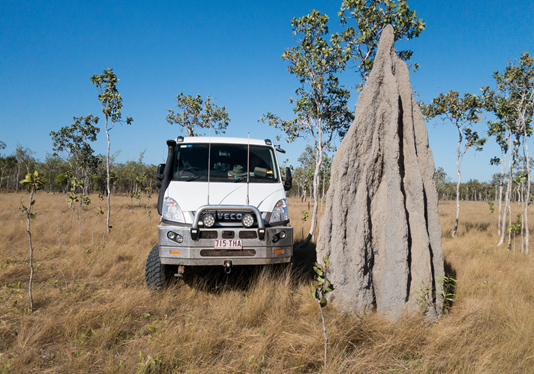
To answer this question, let’s meet the construction crew: Cathedral Termites. Native to Australia, this species of termites has blind workers measuring only about 3-4.5 millimeters long, yet they build massive nests to house their queens, kings, and young. 

A Cathedral Termite (Nasutitermes triodiae) mound.

But this feat isn’t unique to Cathedral Termites—most social insects construct some form of nest. These structural marvels range in size and shape, from Cathedral Termite mounds to charismatic honeybee hives to tiny ant homes contained within acorns.  In the absence of realtors, social insects often use collective decision-making to choose a nest location that optimizes temperature, sunlight, precipitation level, predation risk, and proximity to resources (Jeanne and Morgan 1992; London and Jeanne 2000; Suzuki et al. 2007). These strategies typically involve sending a few scouts to locate potential nesting sites. The scouts then recruit colony-mates to “vote” on sites by physically going to that site and contributing to the recruitment effort. Eventually, a quorum is reached, and the losing party packs up from their rejected sites and heads to the winning location (Pratt 2005).

Once the site has been chosen, a range of different construction methods are used to build the nest. Termites and ants tend to excavate their homes, while social bees and wasps tend to build their homes from manipulated biological material—chewed up wood pulp in the case of social wasps or wax in the case of some bees.

A social wasp nest from the yellowjacket Vespula squamosa. While these structures are built underground, this nest has been excavated (left), and then separated into the individual layers of comb (right).

A common problem during collective construction—and one most human commuters are accustomed to—is crowding. To excavate a massive structure composed of tunnels and chambers, ants and termites must navigate narrow spaces containing hundreds or even thousands of individuals. One way termites solve this problem is through something referred to as a “bucket brigade;” like humans passing water towards a fire via a series of buckets, some termite species form a queue and pass excavated material along from individual to individual until it reaches the deposition site (Bardunias and Su 2010). Some ants, on the other hand, utilize “laziness” to avoid crowding, by having certain individuals sit still while a minority actually contributes significantly to construction (Aguilar et al. 2018).

But, if there’s no blueprint and no architect in charge of doling out specific tasks, how are all these individual construction behaviors coordinated?

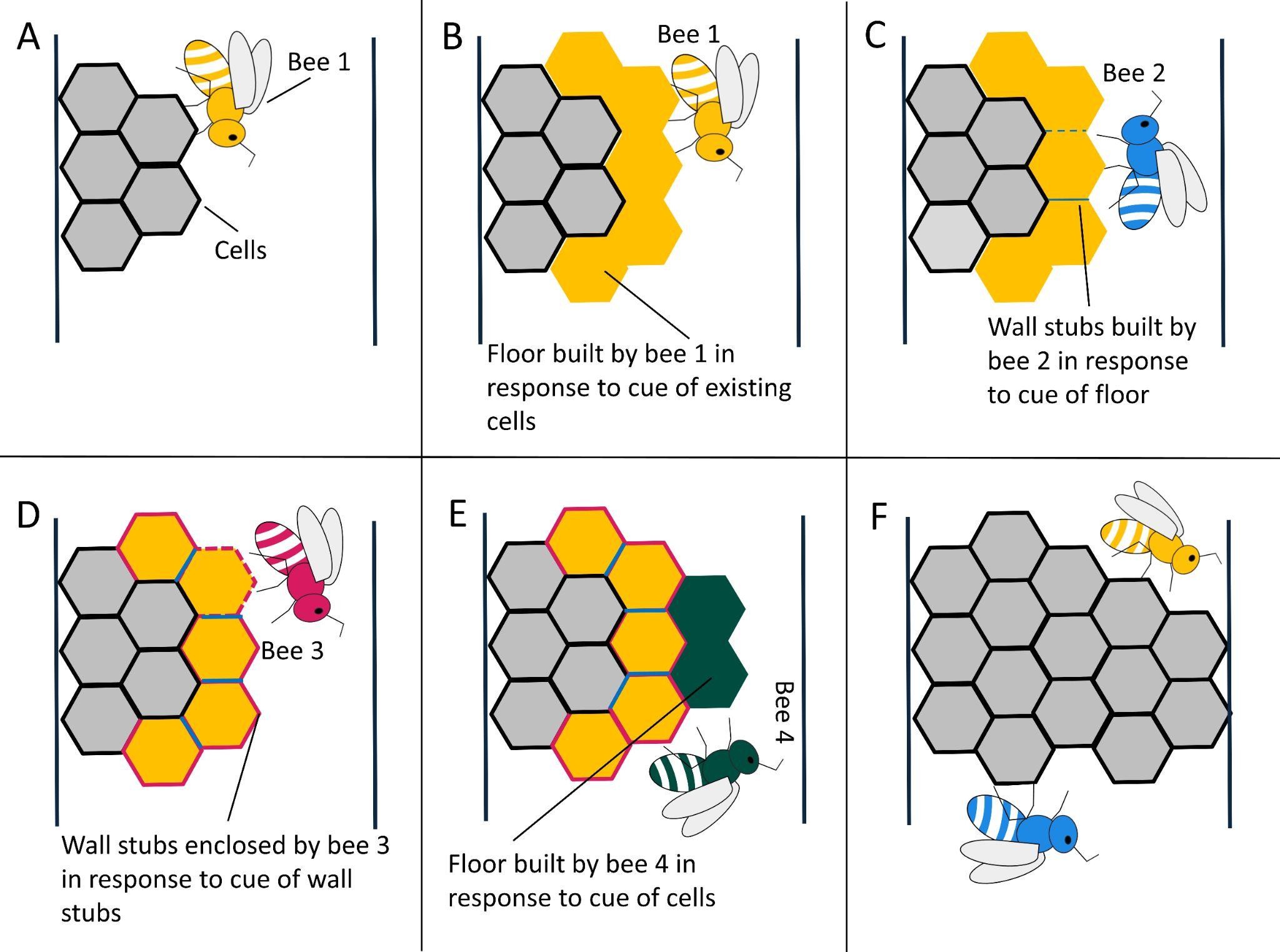
One common means of coordination is stigmergy, which means communicating across time via the environment. Each time an individual interacts with the incipient construction, they leave behind traces of their behavior, either by shaping the material or leaving behind chemicals. These cues tell individuals who later approach the construction what has been done, and what’s left to do.

A diagram displaying stigmergy at work in honeybee nest construction, based on (Nazzi 2016). Different colored bees indicate distinct individuals A) Bee #1 interacts with cells constructed by her nestmates. B) Cells act as cues for bee #1 to extend the floor of the nest. C) Floor acts as a cue for bee #2 to begin constructing stubs of a wall. D) Third bee detects these wall stubs and responds by adding to the stubs to encircle a cell. E) Fourth bee notices cells constructed by her nestmates and responds by extending the floor further. F) After additional building activity by several bees, the comb of cells hits the edge of the cavity.

Now that we know how social insects build their remarkable nests, another natural question is why?

Social insect nests offer many advantages to residents. For one, they offer protection from weather, much like a human home. They also protect against infection, with many species actively incorporating antimicrobial bacteria or other antibiotic agents into the walls (Tranter et al. 2013; Madden et al. 2013; Chouvenc et al. 2013). Nests also enable protection against larger threats, functioning as defendable fortresses. In fact, many species employ guards at nest entrances, and often close their doors at night (Bennett and Baudier 2021).  Finally, nests help large insect societies organize their behaviors by physically contributing to division of labor, as well as by influencing the efficiency of collective tasks like foraging.

Termites nesting in paper (left), which they eat as they construct. Ants nesting in soil (right), showcasing some of the many interior tunnels and chambers.

Overall, social insect nest construction is an impressive feat, and the results are both structurally remarkable and highly functional. One day, we may be able to imitate such techniques using swarm robotics. Today, many engineers are already working on bio-inspired robot collectives capable of construction. Robotic models are even being designed to test hypotheses about collective behaviors in social insect groups, an approach recently termed “robophysics.” In the future, robophysical models may unlock some of the principles underlying social insect nest construction, strengthening our understanding of collective behavior in both engineering and biology.

Robots engaged in construction. Left photo credit: Eliza Grinnell/Harvard SEAS. Right photo credit: Daniel Soto, Joonha Hwang

References:

Aguilar J, Monaenkova D, Linevich V, et al (2018) Collective clog control: Optimizing traffic flow in confined biological and robophysical excavation. Science 361:672–677. https://doi.org/10.1126/science.aan3891

Bardunias PM, Su NY (2010) Queue Size Determines the Width of Tunnels in the Formosan Subterranean Termite (Isoptera: Rhinotermitidae). J Insect Behav 23:189–204. https://doi.org/10.1007/s10905-010-9206-z

Bennett MM, Baudier KM (2021) The Night Shift: Nest Closure and Guarding Behaviors in the Stingless Bee, Tetragonisca angustula. J Insect Behav 34:162–172. https://doi.org/10.1007/s10905-021-09779-9

Caine, P.B., Robertson, A.T., Treers, L.K. et al. Architecture of the insect society: comparative analysis of collective construction and social function of nests. Insect. Soc. (2025). https://doi.org/10.1007/s00040-025-01057-7

Chouvenc T, Efstathion CA, Elliott ML, Su N-Y (2013) Extended disease resistance emerging from the faecal nest of a subterranean termite. Proceedings of the Royal Society B: Biological Sciences 280:20131885. https://doi.org/10.1098/rspb.2013.1885

Jeanne RL, Morgan RC (1992) The influence of temperature on nest site choice and reproductive strategy in a temperate zone Polistes wasp. Ecological Entomology 17:135–141. https://doi.org/10.1111/j.1365-2311.1992.tb01170.x

London KB, Jeanne RL (2000) The interaction between mode of colony founding, nest architecture and ant defense in polistine wasps. Ethology Ecology & Evolution https://doi.org/10.1080/03949370.2000.9728440

Madden AA, Grassetti A, Soriano J-AN, Starks PT (2013) Actinomycetes with Antimicrobial Activity Isolated from Paper Wasp (Hymenoptera: Vespidae: Polistinae) Nests. Environ Entomol 42:703–710. https://doi.org/10.1603/EN12159

Nazzi F (2016) The hexagonal shape of the honeycomb cells depends on the construction behavior of bees. Sci Rep 6:28341. https://doi.org/10.1038/srep28341

Pratt SC (2005) Quorum sensing by encounter rates in the ant Temnothorax albipennis. Behav Ecol 16:488–496. https://doi.org/10.1093/beheco/ari020

Suzuki Y, Kawaguchi LG, Toquenaga Y (2007) Estimating nest locations of bumblebee Bombus ardens from flower quality and distribution. Ecol Res 22:220–227. https://doi.org/10.1007/s11284-006-0010-3

Tranter C, Graystock P, Shaw C, et al (2013) Sanitizing the fortress: protection of ant brood and nest material by worker antibiotics | Behavioral Ecology and Sociobiology. Behavioral Ecology and Sociobiology 68:499–507. https://doi.org/10.1007/s00265-013-1664-9

At what point does a male social wasp leave his natal nest to reproduce?

By Daniela Torres Garcia

In this blog, Daniela Torres Garcia, from the University of São Paulo, describe how she discovered that the number of females in a Mischocyttarus cerberus wasp nest influences the departure of males for mating. This latest research on social insects can be read here.

In social hymenopterans, male reproductive success depends entirely on the timing of reproduction, as males play no role in maintaining the colony—at least in the widely studied species. Males of many species, including social wasps, undergo post-pupal sexual maturation within the natal nest before dispersing to mate, during which time they rely on their nestmates for protection and food.

This leads us to a key question: do all males leave the nest at the same time, or is there something that makes some of them stay longer or shorter in their natal nest?

To answer this, we observed a population in southeastern Brazil of the Neotropical species Mischocyttarus cerberus. We conducted a rigorous monitoring of the nests of this species over several weeks to track male dispersal, and we found that the time a male spends in the nest before leaving varies. Some males leave the day after emerging, while others remain for almost a week.

Nest of M. cerberus with females and males. Photo by Andres Rodrigues De Souza.

Given this variability, we asked what factors might be influencing male dispersal timing. Does the social context affect this variability? That is, does the number of adult females in the nest influence how long the males stay? Do males stay longer when more adult females are present?

We addressed these questions using two approaches: on the one hand, observationally, by monitoring 36 natural nests; on the other hand, experimentally, by manipulating the number of females in 22 nests to see whether this caused a change in male dispersal behavior. And what did we find? Males in nests with more females stayed longer, thereby delaying their dispersal.

On average, males left after 3 days, but some took up to 8 days. We found that in nests with three females, males stayed for about 2.8 days, whereas in nests with only one female, they left after just 1.7 days. This suggests that females modulate male dispersal, which can last up to 8 days—similar to another social wasp, Polistes lanio (up to 7 days) (Southon et al., 2020). Why? Probably because staying in the nest is safer and more comfortable. More females mean better defense against predators and more food available. It is worth remembering that the sting—the primary defense mechanism of this group—is associated with the female reproductive system and thus is absent in males.

Male M. cerberus resting on the underside of a leaf within the study area. Photo by Andres Rodrigues De Souza.

Therefore, it is not surprising that males from nests with more females delay their dispersal to complete their sexual maturation in a safer and more comfortable environment, thereby increasing their survival and future reproductive competitiveness (i.e., by accumulating energy reserves). The accumulation of these reserves could help them avoid having to expose themselves on flowers to obtain food once dispersed.

Taken together, these results highlight the role of social context in shaping male reproductive strategies and suggest that pre-dispersal social life may be an underestimated factor in the physical fitness of males in social insects.

The reproductive biology of male social insects has often been studied at mating sites, such as leks and swarms (Beani et al., 1992; Beani et al., 2014). However, less attention has been given to male behavior prior to reaching these sites (e.g., Southon et al., 2020), despite its potential to influence male competitive ability. Therefore, pre-dispersal social life may be an overlooked aspect of male paper wasps’ reproductive strategies.

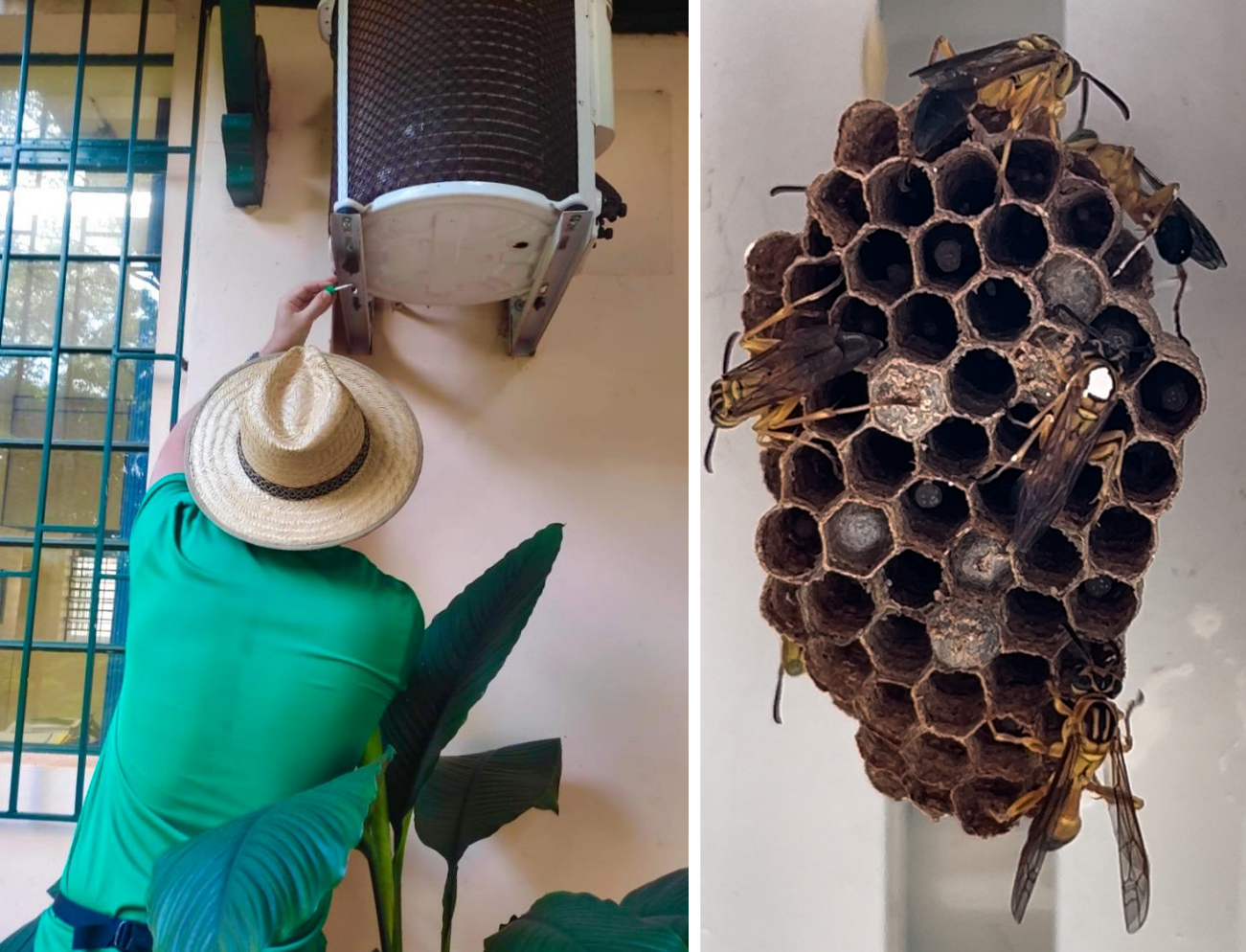
Left: Researcher tagging M. cerberus males for tracking, under an air conditioning unit. Right: M. cerberus nest under study, with several workers visible on the cells

References

Beani L, Dessì-Fulgheri F, Cappa F, Toth A (2014) The trap of sex in social insects: from the female to the male perspective. Neurosci Biobehav Rev 46:519–533. https://doi.org/10.1016/j.neubiorev.2014.09.014

Beani L, Cervo R, Lorenzi CM, Turillazzi S (1992) Landmark-based mating systems in four Polistes species (Hymenoptera: Vespidae). J Kansas Entomol Soc 8:211–217 https://www.jstor.org/stable/25085358

Garcia, D. T., Santos, E. F., Santos, S. A., do Nascimento, F. S., Krams, I., Rantala, M. J., & de Souza, A. R. (2025). Social context predicts male dispersal in nests of a paper wasp. Insectes Sociaux, 1-4. https://doi.org/10.1007/s00040-025-01050-0

Southon, R. J., Radford, A. N., & Sumner, S. (2020). Hormone-mediated dispersal and sexual maturation in males of the social paper wasp Polistes lanioJournal of Experimental Biology223(23), jeb226472.

Interview with a social insect scientist: Tom Ratz

Tom Ratz is a researcher at the University of Zurich, studying social interactions in arthropods like Drosophila and beetles. One of his most surprising discoveries came during his PhD while observing burying beetle mothers. Check out his latest work in Insectes Sociaux here!

IS: Who are you, and what do you do?

I am an SNSF Ambizione Fellow based at the Department of Evolutionary biology and Environmental Studies, University of Zurich, Switzerland. My research broadly explores social interactions in arthropods and their role in evolution. My current focus is on agonistic interactions in the highly aggressive species of fruit fly Drosophila prolongata. My group uses a combination of behavioural experiments, quantitative genetic tools, and experimental evolution to test how the competitive environment shapes the evolution of social and non-social traits. 

IS: How did you develop an interest in your research?

My fascination with the insect world began early, around the age of eight, when I started collecting beetles in the backyard of my house. I was captivated by the hidden, bustling world of insects happening all around us, often unnoticed. I wanted to pursue a career in entomology and enrolled in a biology degree. During my studies, I found myself particularly drawn to ethology and behavioural ecology. Applying these fields to insects felt like an exciting way to maintain a connection to entomology while exploring broader scientific questions about behaviour and ecology.

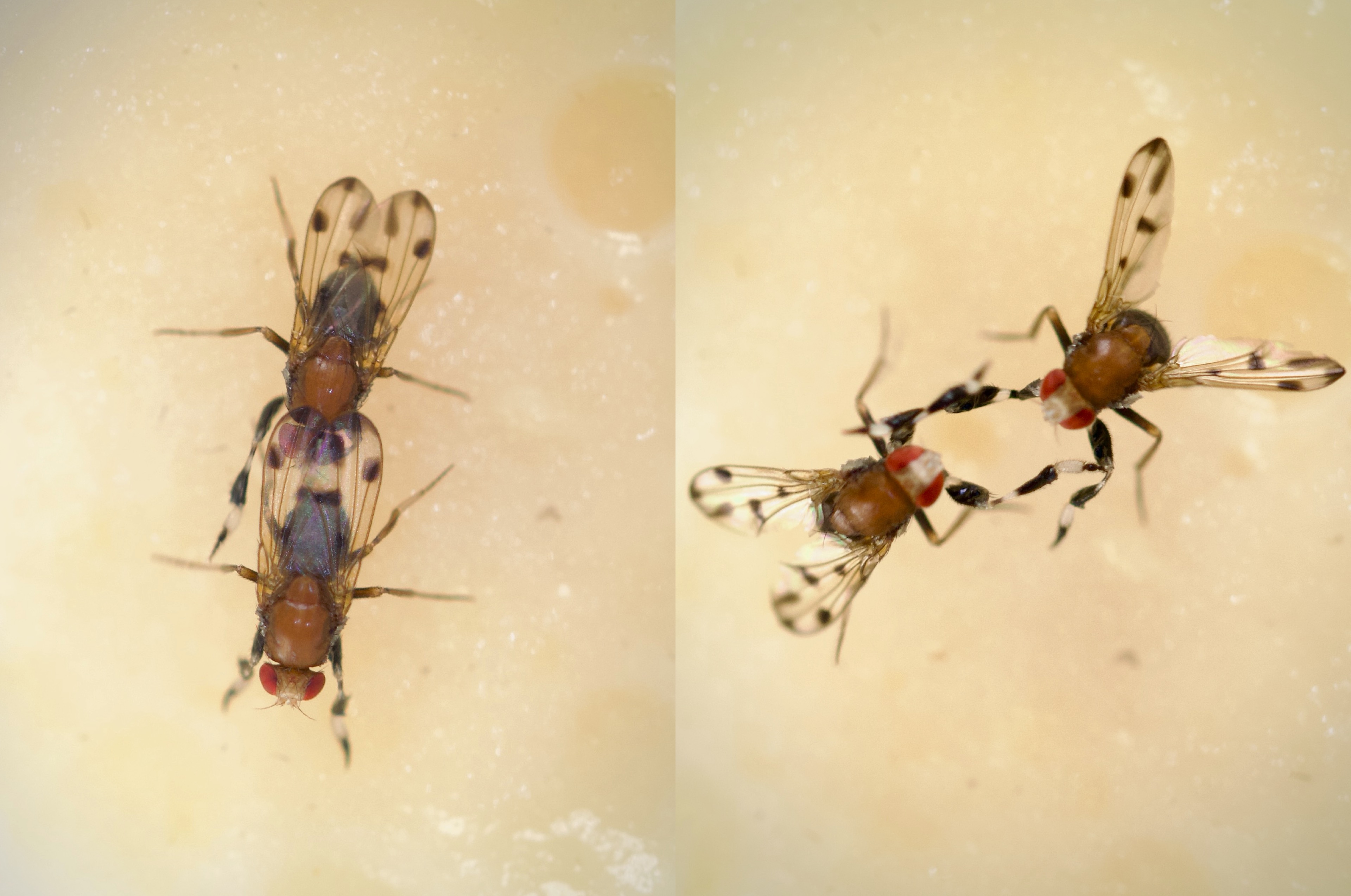
Aggressive encounter between two male Drosophila prolongata. In the first image (left), one male chases the other, leading to an escalation into a fight involving leg fencing (right).

IS: What is your favorite social insect, and why?

Burying beetles are my favourite social insects. I studied them during my PhD and still find their social behaviour incredibly enigmatic–most of which takes place on or inside the decaying carcass of a vertebrate! In a sense, what is a crypt to some is a cradle for burying beetles. Aside from their important ecological role as efficient buriers of small rodent and bird corpses, the complexity of their social interactions within family is, to me, unparalleled in the arthropod world. These behaviours include larvae begging for food and parents regurgitating a “soup” of pre-digested carcass flesh to feed them. Conveniently, burying beetles are mostly undisturbed by experimental conditions, making their behaviour relatively easy to observe and study in the lab.

IS: What is the best moment/discovery in your research so far? What made it so memorable?

A memorable discovery was analysing the data of my first PhD experiment and finding that they absolutely defied our initial predictions. Contrary to expectations, burying beetle mothers didn’t reduce care when experimentally handicapped by a led weight attached to them –instead, they provided more care. At first, this result was puzzling to me, but it became a revelation about the importance of understanding a species’ natural history. It makes sense for a parent to increase investment towards the current brood when prospects for future reproduction are low, which is the case with handicapping, even if the cost of care is higher. This insight highlighted a crucial lesson: while theoretical predictions are valuable, they must be contextualised within the specific biology of the study system.

IS: Do you teach or do outreach/science communication? How do you incorporate your research into these areas?

In both teaching and science communication I try to incorporate my own research as case studies to illustrate key concepts and bring scientific research to life. I find that people are more engaged when they can interact directly with the researchers behind the studies.

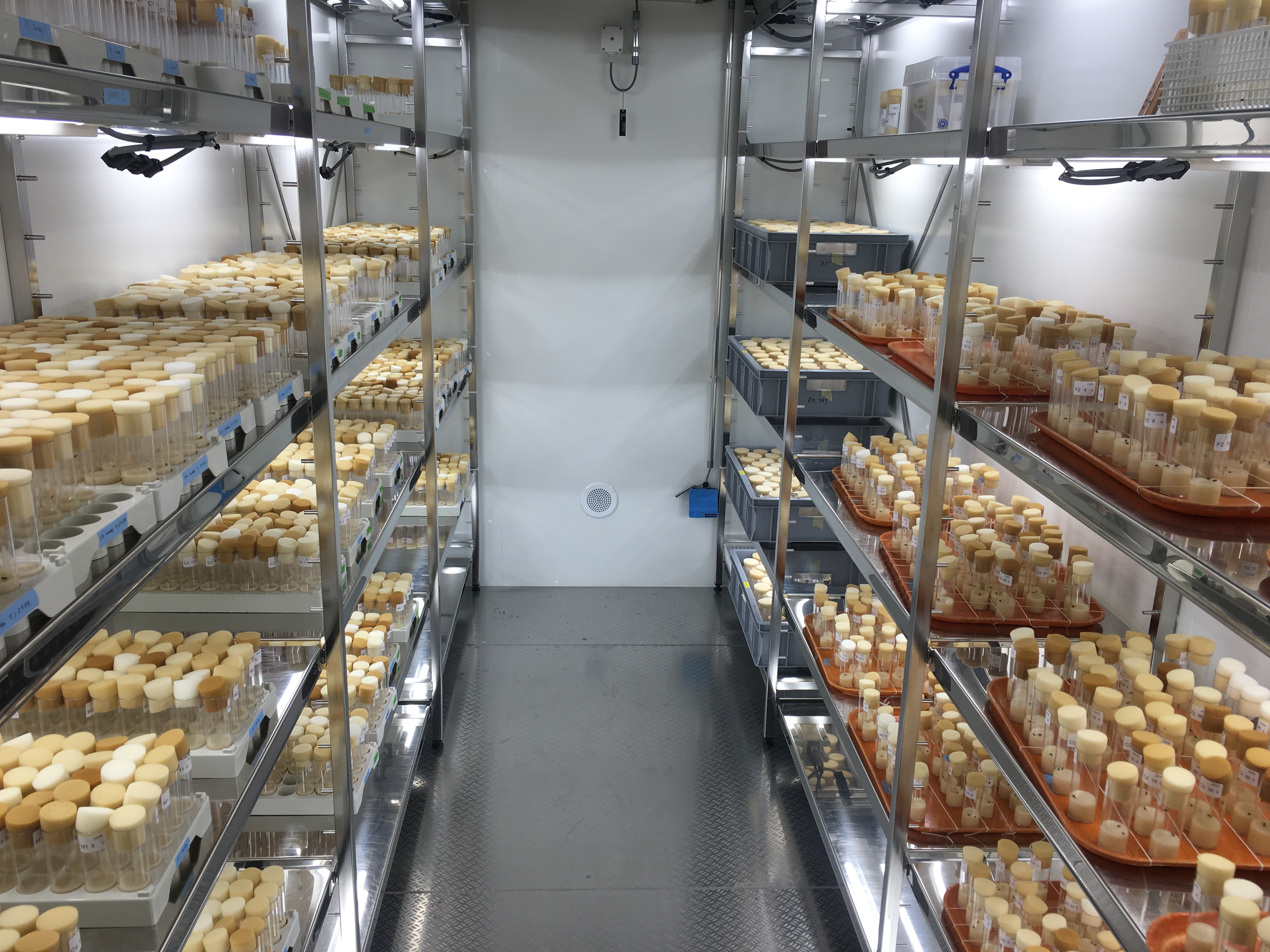
Lab stock and experimental populations of the fruit fly Drosophila prolongata

IS: What do you think are some of the important current questions in social insect research, and what is essential for future research?

In my opinion, some critical questions in the field include clarifying the role of social behaviour in shaping population dynamics and evolutionary responses. It is increasingly clear that social interactions within a group can drastically influence the population growth, survival, and how animals respond and adapt to environmental changes. However, what remains less understood is when and to what extend behavioural dynamics taking place among interacting individuals can impact group fitness and drive long-term phenotypic evolution.

IS: Outside of science, what are your favorite activities, hobbies, or sports?

One of my top hobbies is spending time outdoors. I’ve been fortunate to live near beautiful natural landscapes and mountains, which has allowed me to enjoy hiking throughout the year. It’s a great way to clear the mind and recharge. I’m also a regular at the bouldering gym. And of course, entomology remains an important hobby of mine.

IS: What is the last book you read? Would you recommend it? Why or why not?

The book “In search of us: adventures in anthropology” by Lucy Moore, and I highly recommend it. It’s a fascinating account of the origins of anthropology, told through the stories of people who helped found the discipline. It’s rich in field work and historical anecdotes. The author does a nice job of highlighting the complexities of the influential figures in the field–acknowledging both their biases as Westerners and their progressive ideas ahead of their time.

Burying beetles parents feeding their larvae.

IS: How do you keep going when things get tough?

Talking things through with colleagues, friend, or family often helps. While it may not directly solve the problem, verbalising it can normalise the issue and make it feel less dramatic (which it often is). Sometimes, simply going for a walk works wonders–a change of scenery can help put things into perspective.

IS: If you were to go live on an uninhabited island and could only bring three things, what would you bring? Why?

If it can count as one item, I’d bring my partner with me. She’s incredibly resourceful and crafty, and would surely be a great survival companion (as she is in life!). I’d make sure she brings her Swiss army knife, so that’s item number two covered. And obviously a tube to collect beetles as my third item.

Tom, collecting beetles in Greece

IS: Who do you think has had the most considerable influence on your science career?

My PhD supervisor, Per Smiseth, has been a major influence on my scientific career. He’s a mentor with exceptional work ethics. Another key figure was Sylvain Pincebourde, who took me as an intern in his lab when I just a first-year undergraduate. That was my very first  real research experience, and was incredibly formative. I also owe a great deal to many other mentors and colleagues who have had an important role in shaping my interest and career in Science, including Joël Meunier, Pierre-Olivier Montiglio, Niels Dingemanse, Cristina Tuni, Stefan Lüpold, and Wolf Blanckenhorn.

IS: What advice would you give to someone hoping to be a social insect researcher in the future?

A general piece of advice, not just for someone interested in social insects, is to focus on work you’re passionate about and truly enjoy. With genuine interest and motivation, nearly everything seems to become achievable.

IS: Has learning from a mistake ever led you to success?

Yes! And, sadly, the most painful mistakes are often the ones that teach us the most.

IS: What is your favorite place science has taken you?

The tropical forests of Panama are a favourite of mine. I also have a soft spot for Mediterranean ecosystems. Despite their dryness, I’m always surprised by their abundance and diversity of plants and animals.

Interview with a Social Insect Scientist: Oscar Vaes

Oscar Vaes is a biologist interested in data analysis and scientific communication. He has just completed his PhD in Belgium. His latest work on “inactive” ants in colonies can be found here.

IS: Who are you, and what do you do?

I’m a Belgian biologist and recently finished my PhD about activity levels in the red ant Myrmica rubra, at the Université Libre de Bruxelles. At present, I’m trying to put my knowledge of data analysis to good use, an aspect of research that I really enjoy and in which I’m trying to improve.

IS: How did you develop an interest in your research?

Simply by working on them. Basically, I’m curious to understand how things around me work, hence my interest in biology. This, combined with my attraction to animals, meant that I was predisposed to take an interest in social insects. However, it was really when I was looking for a research topic for my master thesis that I developed an interest in ants.

IS: What is your favorite social insect, and why?

So far, I’ve only worked on one biological model, Myrmica rubra, and although it doesn’t treat me in the best way during my experimental manipulations or field harvests, I still have to choose it. Being only at the beginning of my research career, I feel I’ve only glimpsed the tip of the iceberg, so I’m sure this favorite animal will evolve over time. Yet, I think it will always be a species of ant. I believe that they occupy a special place in the collective unconscious and fascinate people. I never tire of seeing the reaction people have when we tell them we’re studying the behavior of ant colonies. It is always a fun icebreaker.

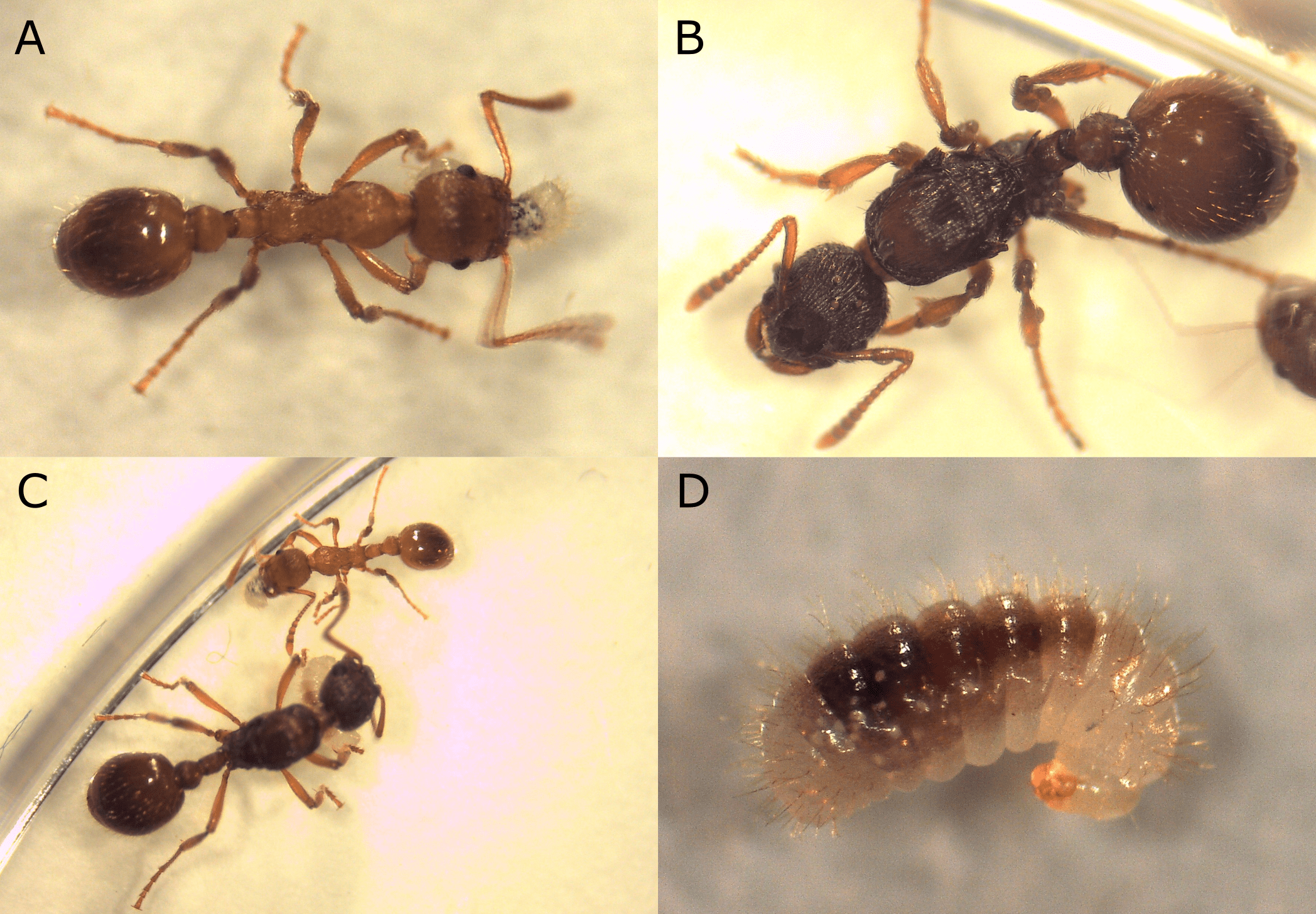
Queen, worker and larva of Myrmica rubra. A) Young worker carrying a larva. B) Queen without wings. C) Young worker (top) with light cuticular pigmentation and queen (bottom) standing over a larva. D) Larva (2nd instar).

IS: What is the best moment/discovery in your research so far? What made it so memorable?

My best moments are usually when I get to share with researchers from other laboratories, at conferences. These moments are always very enriching, and have the instant effect of taking us out of the tunnel vision we might have when working for months on our subject in an office.

In terms of discoveries, I based much of my PhD subject on the hypothesis that there was probably a large proportion of inactive individuals in colonies of the ant I worked with. Having confirmation that around 30% of our species’ colonies form a distinct group of nurses, foragers, and domestics, and that we could cross-reference their characteristics with those of other species, was one of those really exciting moments when the prospects for future experiments develop and become clearer.

IS: Do you teach or do outreach/science communication? How do you incorporate your research into these areas?

Passing on knowledge is something I really enjoy doing. I’ve always been attracted to teaching, without actually doing it professionally. As a result, I try to value the moments when I can explain my research and simplify it. I find that being able to explain complex phenomena in a simple way is a great asset, but it also reflects the fact that we ourselves have understood things in depth. So practicing simplifying/explaining research is also a way of assessing one’s own level of knowledge.

IS: What do you think are some of the important current questions in social insect research, and what is essential for future research?

There’s no particular research topic that stands out for me, and this is no doubt linked to the fact that I don’t yet have a global vision of the study of social insects. However, the development of computer tools has made it much easier to acquire certain types of data by automating their collection and processing in much greater quantities than was possible in the past. I think we need to keep a critical eye on the effect these tools have on the observer, his or her ability to interpret results or even spot phenomena. I have several examples in mind of times when I’ve spent weeks turning over data presented in spreadsheets in search of answers to questions we were asking ourselves, only to have the answer right under my nose all along on the videos of my colonies. Although computer tools are a great help most of the time, they tend to distort our vision of results. There’s nothing like the eye of the experimenter to give you a first-hand view of the phenomena you’re about to dissect!

IS: Outside of science, what are your favorite activities, hobbies, or sports?

I’d say bicycles are one of my main interests. Basically, it’s always been my means of transport in Brussels, but as I was working with it, I became interested in the mechanical side of things. This basically means I have several unfinished project bikes laying in a corner of my garage. Recently, I’ve been enjoying discovering the Belgian countryside by bike, and I have to say that it’s a fantastic tool for that. I also enjoy discovering new sports and eSports disciplines. I love the feeling of beginning to understand the reasoning behind the actions of professional athletes or players, of developing a form of expertise in a new discipline. Since it’s also more fun to share interests with others, I often get sucked into people’s passions.

IS: What is the last book you read? Would you recommend it? Why or why not?

It’s not related to my research topic, but the last book I read was written by Victoria Defraigne, and is an explanatory book on transidentity. Knowing it was written by a student at my university was the trigger to finally learn about a subject I knew was full of stereotypes and misinformation in my mind. I think that for the moment, this book only exists in French, but I urge people to get informed about a subject still full of misunderstandings.

IS: How do you keep going when things get tough?

To be honest, I think I’m lucky in that I never really have a hard time. I’m very privileged in life, with family and friends all around me, which makes it easy for me to put things into perspective when they don’t go as planned. So far, the difficult periods have all been relatively limited in time, with a clearer horizon in sight each time. So, I find it easier to accept the situation and tell myself that it’s only temporary, as all the previous tough times have been.

IS: If you were to go live on an uninhabited island and could only bring three things, what would you bring? Why?

I always have my pocket magnifier in my backpack, and I use it more often than you’d think. I’d have a hard time parting with it, so I’m going to choose this as my first item. I hope, of course, that by “uninhabited” we’re talking about humans and not local wildlife. In two, I’d say coffee beans, so as to quickly have a plantation to support myself. I wouldn’t accomplish much on a desert island without my morning coffees. As I have no idea about the third, I think I’d let friends choose for me, so I’d have a surprise on arrival, good or bad.

IS: Who do you think has had the most considerable influence on your science career?

I think my PhD promoter, Claire Detrain, takes first place hands down. Then I’d say it’s the rest of the team in her lab. When it came time for me to find a subject for my master thesis in the various laboratories at my university, I gave as much importance to the atmosphere and ambience within the team, as to the research subject. Today, I’m very happy to have followed my intuition, and as a bonus, I’ve taken an interest in our six-legged friends.

IS: What advice would you give to someone hoping to be a social insect researcher in the future?

Not to work on Myrmica rubra! On a more serious note, I don’t think there are any tips specific to the study of social insects. The only mistake I see being made frequently is that of systematically trying to draw parallels between our behavior and that of social insects, but it’s mainly made by a non-scientific audience. I imagine that anyone interested in social insects quickly realizes that a large part of their charm lies in the fact that their group is structured in such a way as to modify the implications that collective responses have on individuals and the group. Over the last few years, I’ve supervised a number of students who have all shown themselves to be very curious and eager for results when working on ants, without having any prior interest in these insects. So, I think we’re lucky to be working with animals that naturally arouse people’s interest and curiosity, which can only be a good thing.

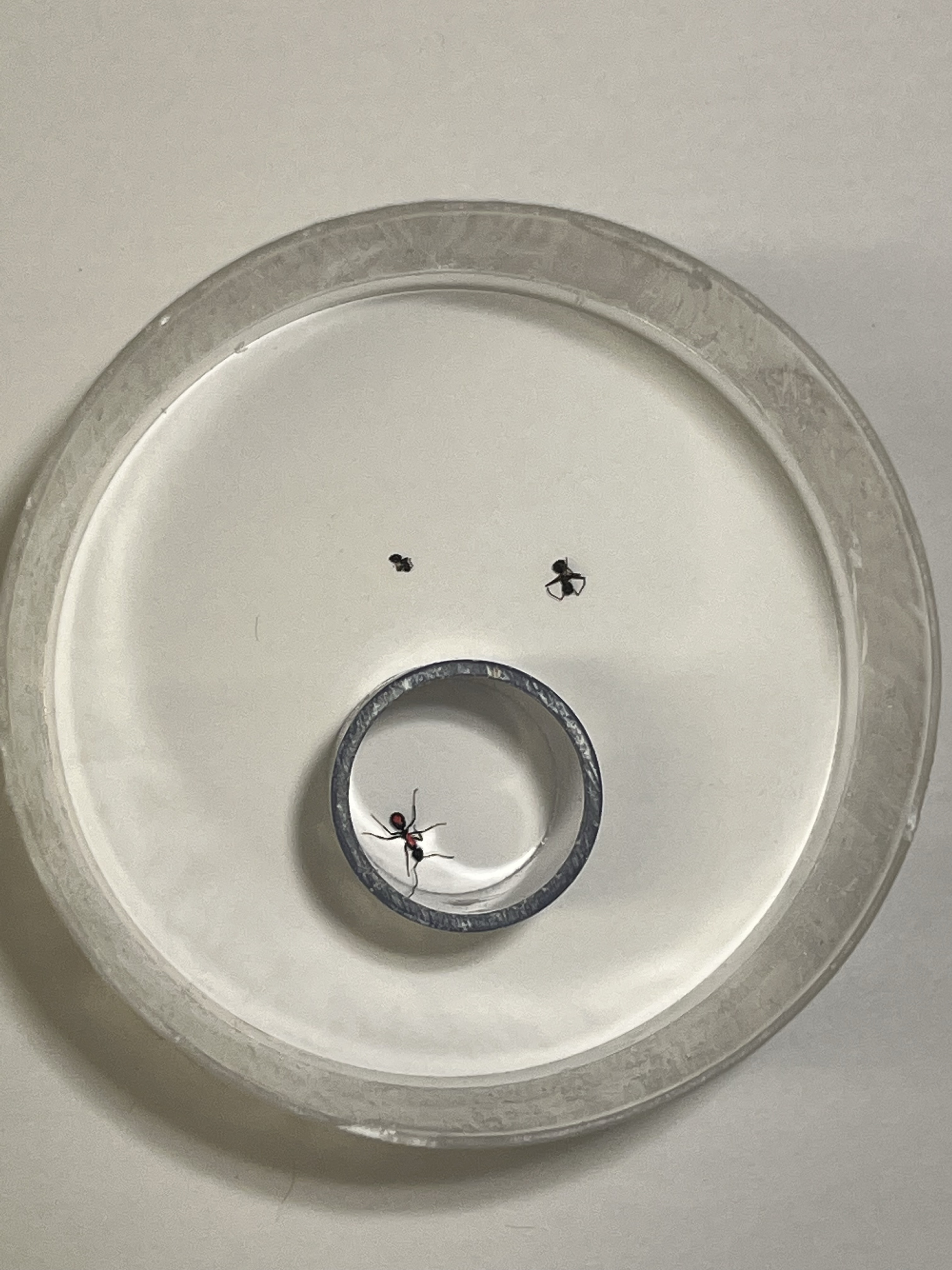
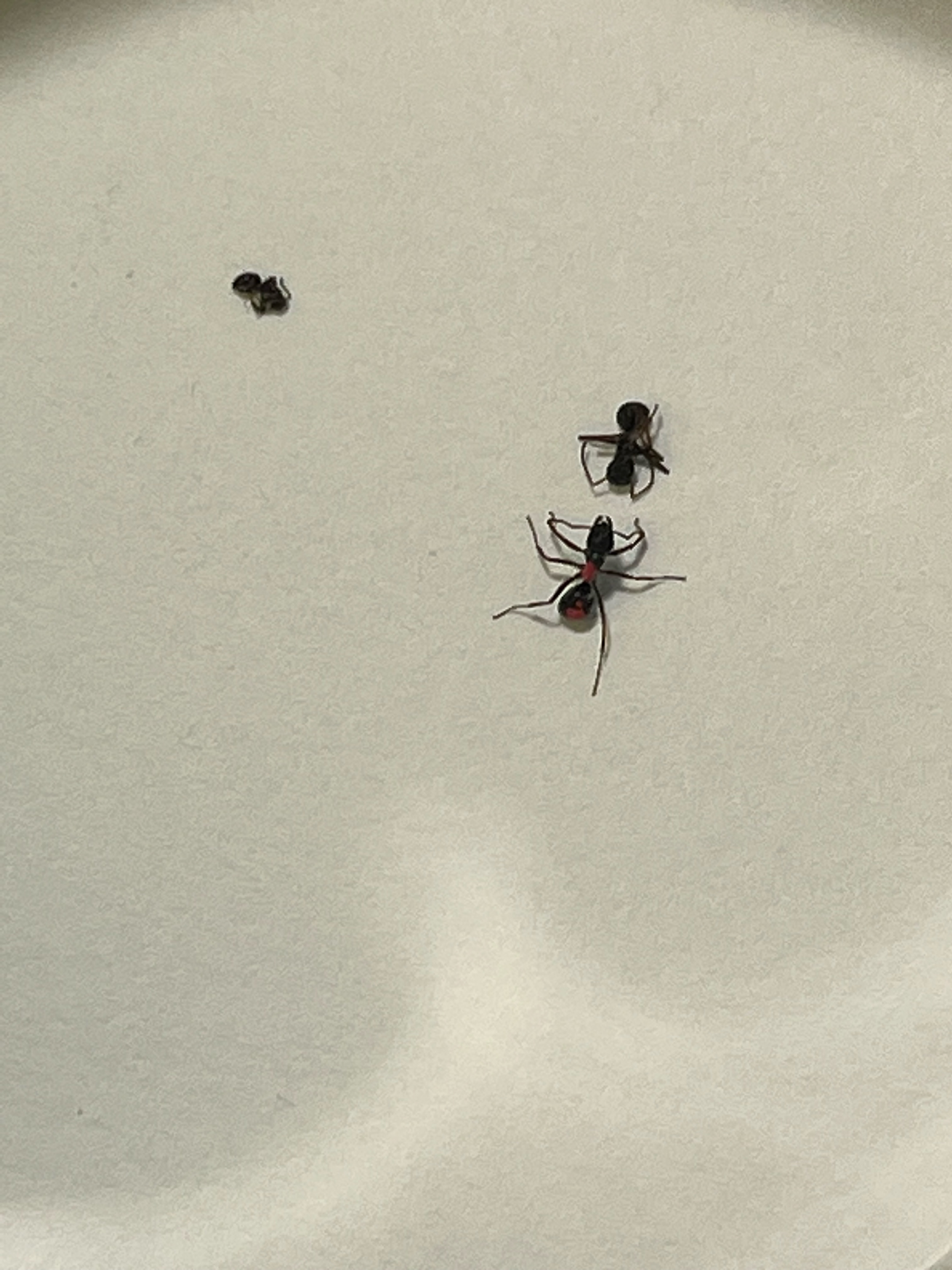
Myrmica rubra workers with the colored tags we use during experiments.

IS: Has learning from a mistake ever led you to success?

Of course it did. One example I really like is when we first started doing individual marking of ants, and we were looking for the best way to do it. We struggled quite a bit with methods we used to perform in our lab, and finally decided to reach out to another researcher who seemed to have great results with a different technique, but whom we had never spoken to. Not only was he willing to give us a detailed explanation of his techniques, but we were able to implement many tips that completely changed our way of tagging. We have been training young researchers to tag ants with great success and will probably be using these tips for many years to come.

In a broader sense, I think that making mistakes reinforces our ability to question ourselves, something that is key when doing science. I find that conducting research helps us accept mistakes and learn from them. Moreover, I believe this translates into being more open-minded in life, deconstructing deep-rooted misconceptions, and being more apt to listen to others.

IS: What is your favorite place science has taken you?

I have a very ‘first degree’ answer to this question. I mentioned earlier my fondness for conferences, and I was lucky enough to attend IUSSI San Diego in 2022. So, I’d say it was one of the highlights of my thesis, where I was able to meet many people whose research inspired me, but also to discover the research subjects of laboratories from all over the world. I really enjoyed communicating my results to an international audience of social insect experts, whose feedback inevitably led to enriching and constructive discussions.

Oscar presenting his work during the 2022 San Diego IUSSI congress. ©Kendrick Nakamura