The surprising vulnerability of a termite’s secret roomate

By Igor Eloi

Igor is a PhD student based at the UFRN campus on the brazilian coast. He is fascinated by how social insects, like termites, behave and interact with other species. In this blog, he shares key insights from a research paper exploring how fragment edges affect termite guests. His lastest research in Insectes Sociaux can be read here.

A termite nest is more than a mound of earth and wood; it’s a bustling city, a climate-controlled fortress engineered and built by tiny insects. These complex structures are not just homes for termites, a rather exquisite diversity of organisms have evolved to life within their walls.

There residents are known as”termitophiles”—organisms that live their entire lives, or at least critical parts of them, in an obligatory relationship with termite society. They are not merely guests but are deeply integrated into the colony’s day-to-day routine. These creatures have evolved alongside their hosts for millennia, developing bizarre forms and behaviors to survive and thrive inside the fortress. Which raises a rather pertinent question: If a creature is perfectly adapted to live inside a protective, self-regulating termite nest, does that make it immune to changes in the outside world? In other words, what happens to these hidden, highly specialized residents when human activity, like a simple dirt road, encroaches on their world? Our study set out to find the answer, revealing just how far the ripples of habitat disturbance can travel.

We focused on studying two Aleocharinae beetles, that live in an asymmetric “obligatory relationship” with a their host. This means that while termites live fine without the beetles, the beetles themselves cannot survive without the colony. We examined two distinct types found in the arboreal nests of the termite Constrictotermes cyphergaster (Nasutitermitinae).
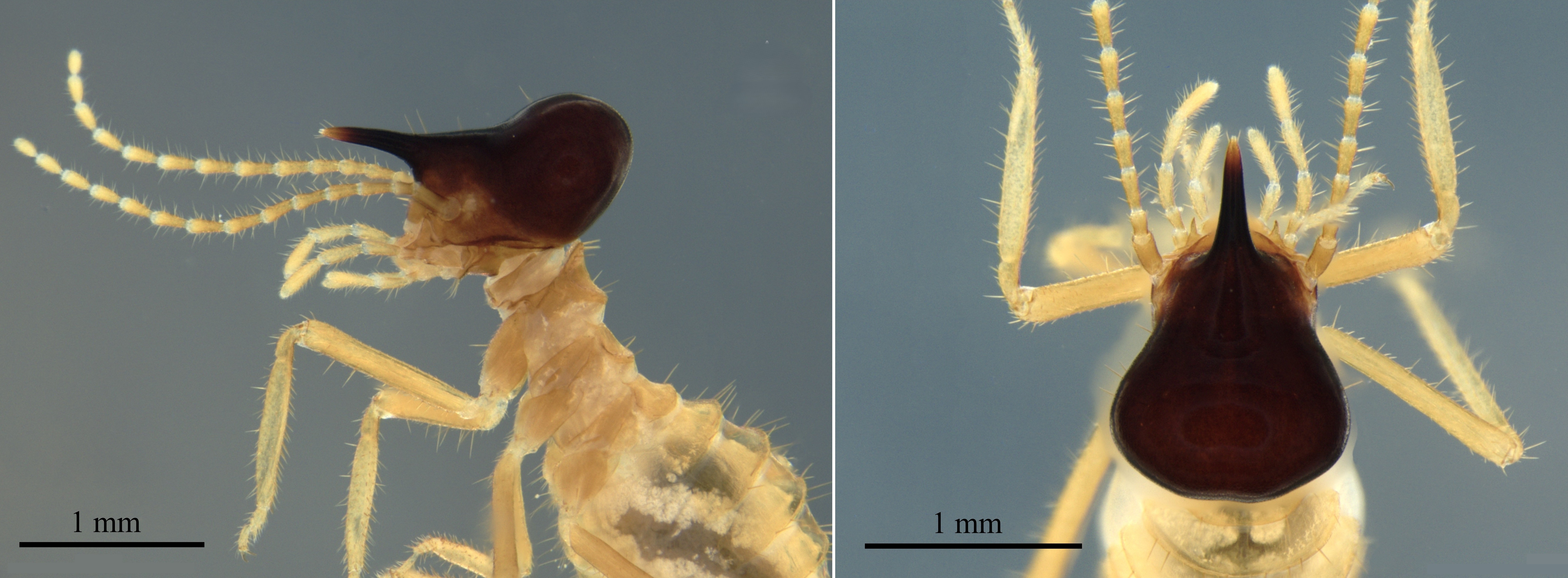
Lateral (left) and dorsal (right) views of the termite Constrictotermes cyphergaster (Nasutitermitinae), host species of the studied Aleocharinae beetles.

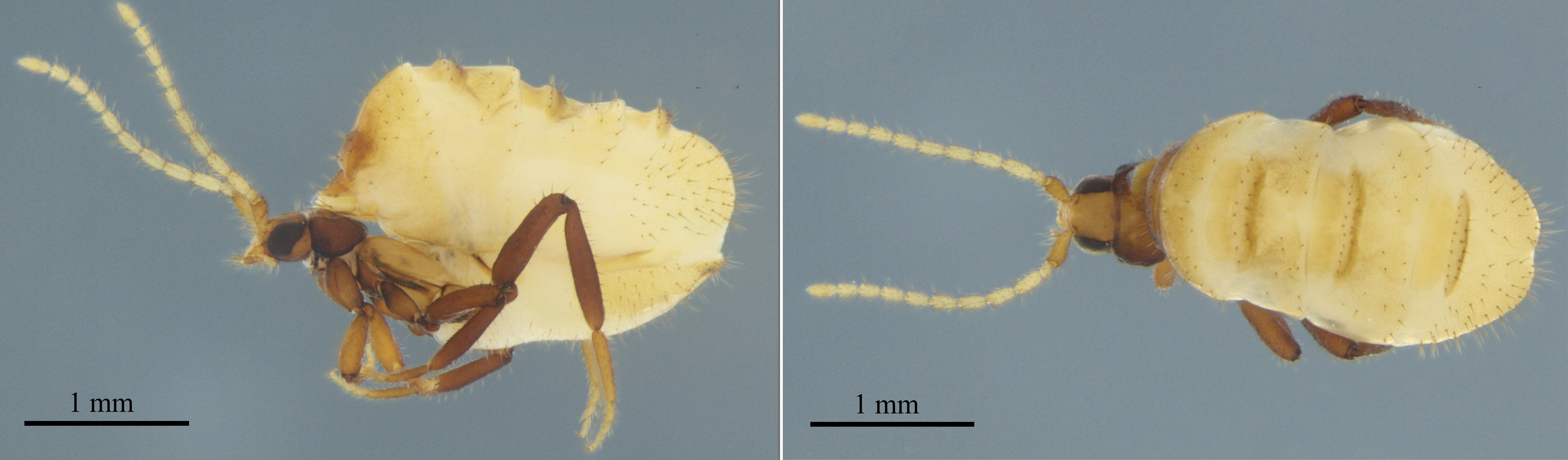
On the image below, the first, Termitocola silvestrii, is a miniature tank. This species is equipped with a “limuloid” or drop-shaped body, featuring a large, shield-like pronotum thought to be a defensive adaptation against termite attacks. Anecdotal observations suggest it may act as part of the colony’s cleanup crew, feeding on dead termites. While these beetles possess wings, researchers speculate they may lose the ability to fly after successfully settling within a host colony. This secret society has its rules, and both species rely on momentarily leaving the nest—either for reproduction or dispersal—exposing their hidden world to the conditions of the wider forest.

Lateral and dorsal views of the rove beetle Termitocola silvestrii, a limuloid (drop-shaped) Aleocharinae species associated with the termite Constrictotermes cyphergaster. The large, shield-like pronotum is thought to provide protection against termite attacks.

The second, Corotoca fontesi, has a bizarre “physogastric” body, with a swollen, soft abdomen that gives it a strange, almost larval appearance and reduces its mobility. Its life cycle is a drama of dependence and risk. To reproduce, the female must venture outside the nest during the termites’ open-air foraging expeditions (Moreira et al. 2019). She then deposits a single, motile larva into the ground litter. The larva develops alone in the soil, and how it later finds and integrates into a new host nest remains one of the fascinating mysteries of its life cycle.
Lateral and dorsal views of the rove beetle Corotoca fontesi, a physogastric Aleocharinae species associated with the termite Constrictotermes cyphergaster. The swollen, soft abdomen gives the beetle a larval-like appearance.

The central finding of our study is that despite living inside the protective, climate-controlled environment of a termite nest, the abundance of these specialized beetles is negatively impacted by proximity to a forest edge. This finding demonstrates that the so-called “edge effect”—the ecological changes that occur where two habitats meet—penetrates the defenses of the termite fortress.

One might assume that the nest would act as a perfect buffer against external environmental stressors. However, the study’s results suggest otherwise, highlighting that even for organisms living deep within a host structure, the human-made landscape changes of the outside world matters immensely.

Finally, it is our thought that the mechanisms behind the impact of edge effect over the abundance of termitophiles might lie in one (or the combination) of these:

  1. Direct Impact: The harsher environmental conditions at the forest edge—such as different temperatures or humidity—could directly harm the beetles during the parts of their life cycle spent outside the nest. For example, the larvae of Corotoca developing in the soil could be exposed to increased predation or unsuitable microclimates (Zilberman et al. 2019).
  2. Host-Mediated Impact: The termite colonies themselves might be stressed by the edge conditions. This could make them “lower-quality hosts,” perhaps with fewer resources or a smaller workforce, rendering them unable to support large populations of their beetle symbionts.
  3. Dispersal Limitation: The altered landscape near the road could act as a barrier. This might make it more difficult for adult beetles to travel between nests, limiting their ability to find and colonize nests located near the forest edge.

References:

Moreira IE, Pires-Silva CM, Ribeiro KG, et al (2019) Run to the nest: A parody on the Iron Maiden song by Corotoca spp.(Coleoptera, Staphylinidae). Papéis Avulsos De Zoologia 59:e20195918–e20195918.

Siqueira-Rocha, L., Eloi, I., A Luna-Filho, V. et al. Aleocharinae termitophiles are affected by habitat fragmentation in deciduous dry forests. Insect. Soc. (2026). https://doi.org/10.1007/s00040-025-01076-4

Zilberman B, Pires-Silva CM, Moreira IE, et al (2019) State of knowledge of viviparity in Staphylinidae and the evolutionary significance of this phenomenon in Corotoca Schiødte, 1853. Papéis Avulsos De Zoologia 59:e20195919–e20195919. https://doi.org/10/gng3q8
Hovering battles at the ant nest: the remarkable behavior of a rare ant parasitoid wasp

By Satsuki Kajiwara

Satsuki is a PhD student in the Entomology Laboratory at Kyushu University, Japan, where she studies ant-associated parasitoid wasps. In this blog post, she shares her discovery of aerial fights between female Ogkosoma cremieri competing for access to ant larvae. Her lastest research in Insectes Sociaux can be read here.

Ant colonies, with their abundant resources and secure environments, are frequently exploited by various organisms that have evolved strategies to infiltrate and persist within them. These organisms, known as myrmecophiles, depend on ants for at least part of their life cycle.

The subfamily Hybrizontinae, which I am currently studying, represents a highly specialized group of parasitoid wasps that attack only ant larvae (Lachaud and Pérez- Lachaud 2012). Their known host ants belong to the genera Lasius (including the subgenera Lasius and Dendrolasius) and Myrmica. Notably, two species in the subgenus Dendrolasius exhibit unusual behavior: they transport their larvae between tree trunks and underground nests depending on the season (Kajiwara and Yamauchi 2023). Because Hybrizontinae wasps parasitize larvae during these transport events, the timing of larval movement is critical for their reproductive success (Komatsu and Konishi 2010).

Females of this subfamily oviposit by inserting their ovipositor into larvae being carried by worker ants—an opportunity that occurs only during the brief moments when larvae are exposed outside the nest.

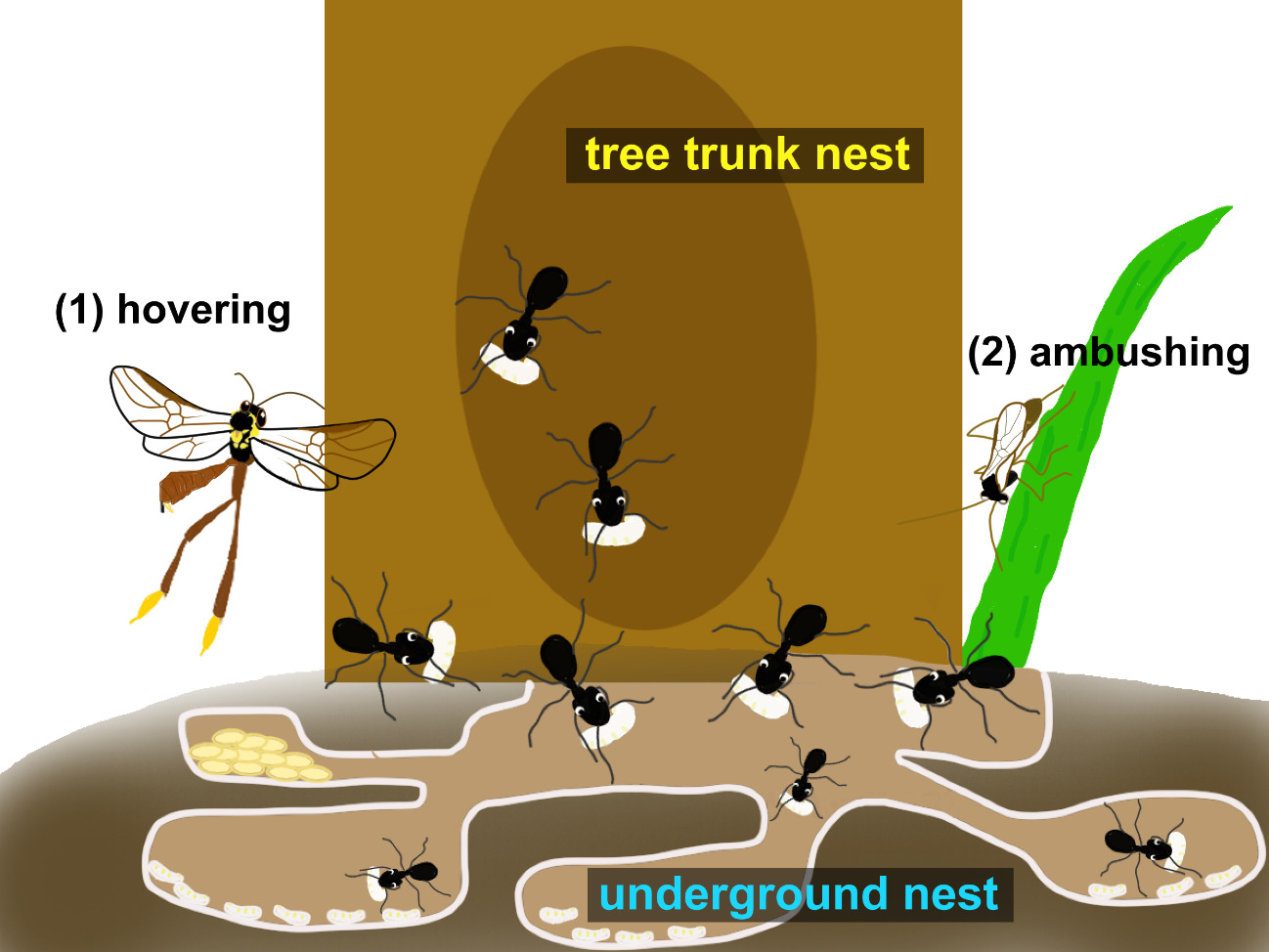
Two basic host-searching strategies are known: (1) hovering near ant nest entrance and (2) ambushing along ant trails by clinging to vegetation.

Two host-searching strategies observed in the subfamily Hybrizontinae.

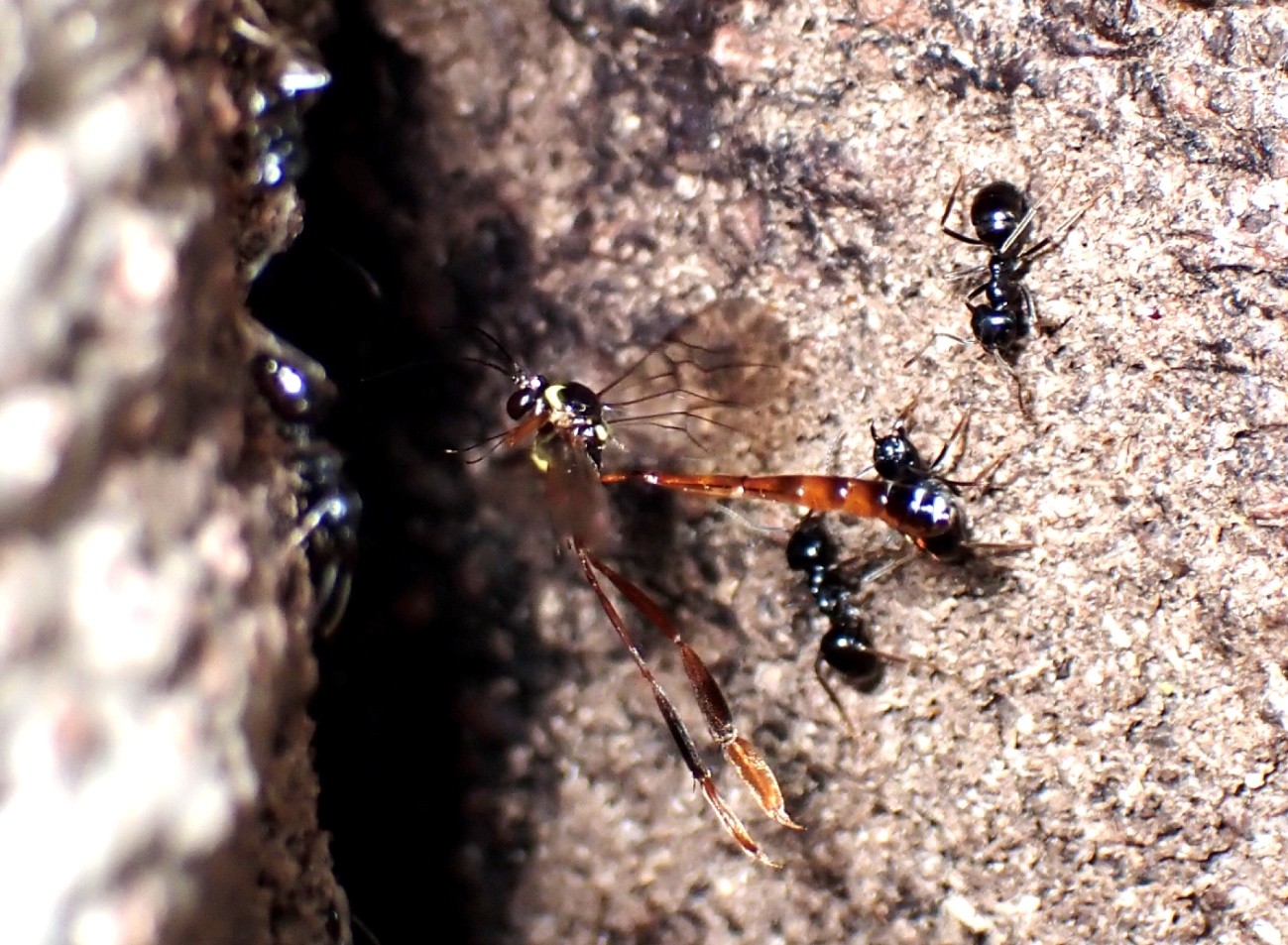
While surveying ant parasitoid wasps on my university campus in Japan, I was fortunate to discover a hovering female of Ogkosoma cremieri (Romand) near a nest of Lasius capitatus (Kuznetsov-Ugamsky). This unexpected encounter became the starting point for a more detailed behavioral study.

An adult female of Ogkosoma cremieri hovering in front of the nest of Lasius capitatus

Although earlier researchers reported hovering behavior in this species, they did not identify the specific time of day when it occurs. My observations revealed that females hover between 06:30 and 17:00, indicating sustained activity throughout the daytime.

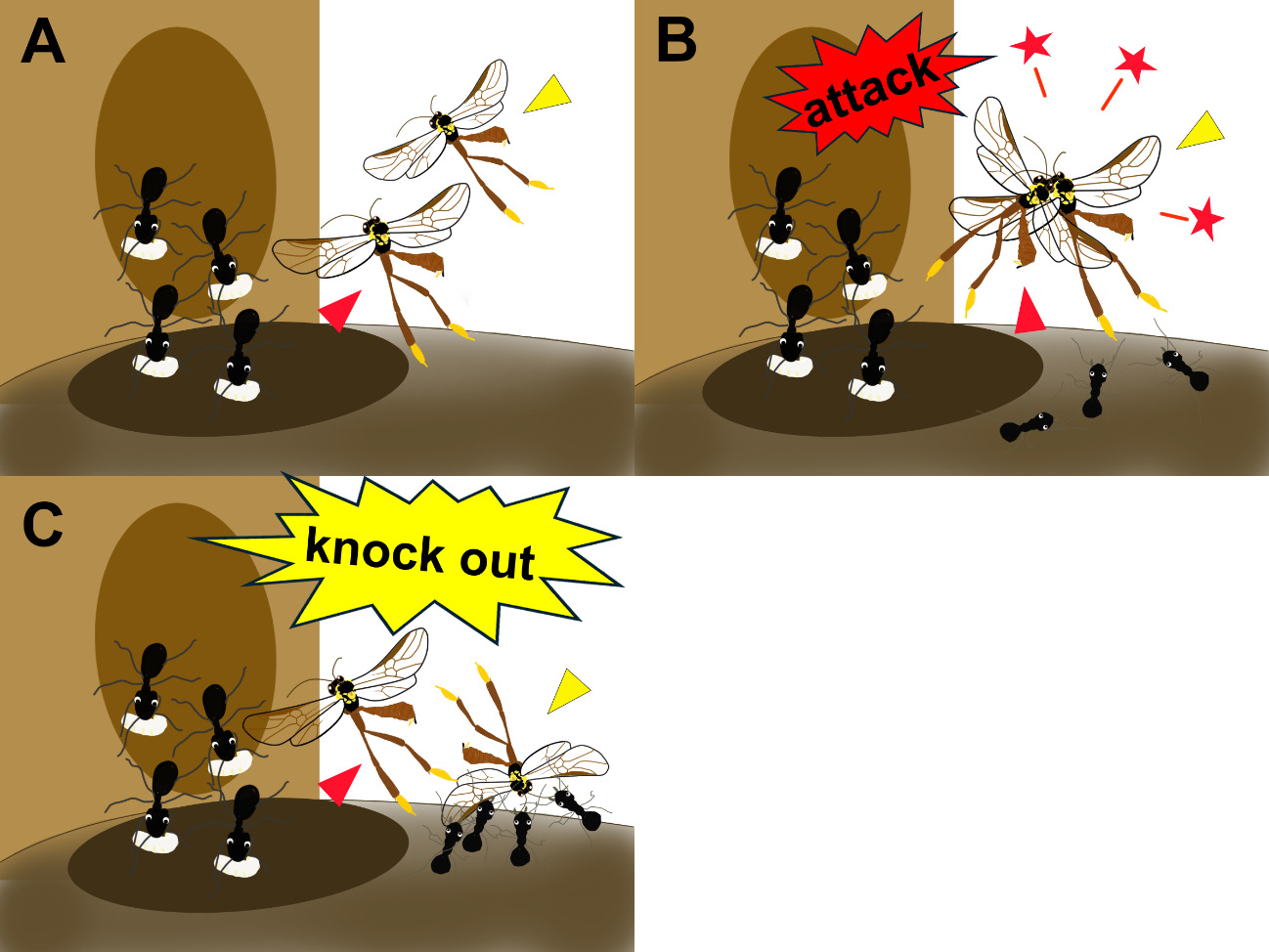
One day I witnessed something remarkable. A female O. cremieri hovered at the nest entrance and approached larvae being carried by workers. When several females were present, they sometimes engaged in aerial jostling: the wasp positioned in front of the nest (red arrow in the image below) drove off an approaching female (yellow arrow) by pushing her while hovering. The displaced wasp was then attacked by ants and dragged into the nest, showing how dangerous it can be for wasps to approach ant brood. Aggressive competition between parasitoid females has been observed before in other ichneumonids, but usually on the ground or on plants — witnessing physical pushing while hovering appears to be a novel behaviour.

Aerial struggle between two female O. cremieri hovering at a Lasius capitatus nest entrance, where competition for host larvae can escalate into ant attacks. A, two females(yellow and red arrows) hovering in front of a Lasius capitatus nest; B, the female positioned in front of the nest (red arrow) attacked the approaching female (yellow arrow); C, the approaching female (yellow arrow) was pushed away by the female in front of the nest (red arrow), and the pushed-aside female (yellow arrow) was attacked by ants.

Interestingly, L. capitatus workers transport large numbers of larvae from tree trunks into underground nests at night. However, no oviposition behavior by O. cremieri toward these larvae was observed. This pattern suggests that nocturnal larval transport may serve as an adaptive strategy by ants to avoid parasitoid attacks. Consistent with this interpretation, my observations also suggest that O. cremieri is not a nocturnal species. Females became active at night only when the area was illuminated with a flashlight or headlamp—likely a response to artificial light rather than natural nocturnal activity.

Future comparative studies across genera may reveal how morphological traits and behavioral strategies have diversified within this intriguing group of parasitoids.


References:

Kajiwara S, Yamauchi T (2023) Larval transport by adults of Lasius morisitai (Hymenoptera: Formicidae): The season and the time of day. Nat Environ Sci Res 36:15–17 [in Japanese]. https://doi.org/10.32280/nesr.36.0_15

Kajiwara, S., Yamauchi, T. Parasitoidic strategy of Ogkosoma cremieri (Hymenoptera: Ichneumonidae: Hybrizontinae) against Lasius capitatus (Hymenoptera: Formicidae). Insectes Sociaux (2025). https://doi.org/10.1007/s00040-025-01072-8

Komatsu T, Konishi K (2010) Parasitic behaviors of two ant parasitoid wasps (Ichneumonidae: Hybrizontinae). Sociobiology 56(3):575–584

Lachaud J-P, Pérez-Lachaud G (2012) Diversity of species and behavior of hymenopteran parasitoids of ants: A review. Psyche2012:134746. https://doi.org/10.1155/2012/134746

Interview with a social insect scientist: Tom Ratz

Tom Ratz is a researcher at the University of Zurich, studying social interactions in arthropods like Drosophila and beetles. One of his most surprising discoveries came during his PhD while observing burying beetle mothers. Check out his latest work in Insectes Sociaux here!

IS: Who are you, and what do you do?

I am an SNSF Ambizione Fellow based at the Department of Evolutionary biology and Environmental Studies, University of Zurich, Switzerland. My research broadly explores social interactions in arthropods and their role in evolution. My current focus is on agonistic interactions in the highly aggressive species of fruit fly Drosophila prolongata. My group uses a combination of behavioural experiments, quantitative genetic tools, and experimental evolution to test how the competitive environment shapes the evolution of social and non-social traits. 

IS: How did you develop an interest in your research?

My fascination with the insect world began early, around the age of eight, when I started collecting beetles in the backyard of my house. I was captivated by the hidden, bustling world of insects happening all around us, often unnoticed. I wanted to pursue a career in entomology and enrolled in a biology degree. During my studies, I found myself particularly drawn to ethology and behavioural ecology. Applying these fields to insects felt like an exciting way to maintain a connection to entomology while exploring broader scientific questions about behaviour and ecology.

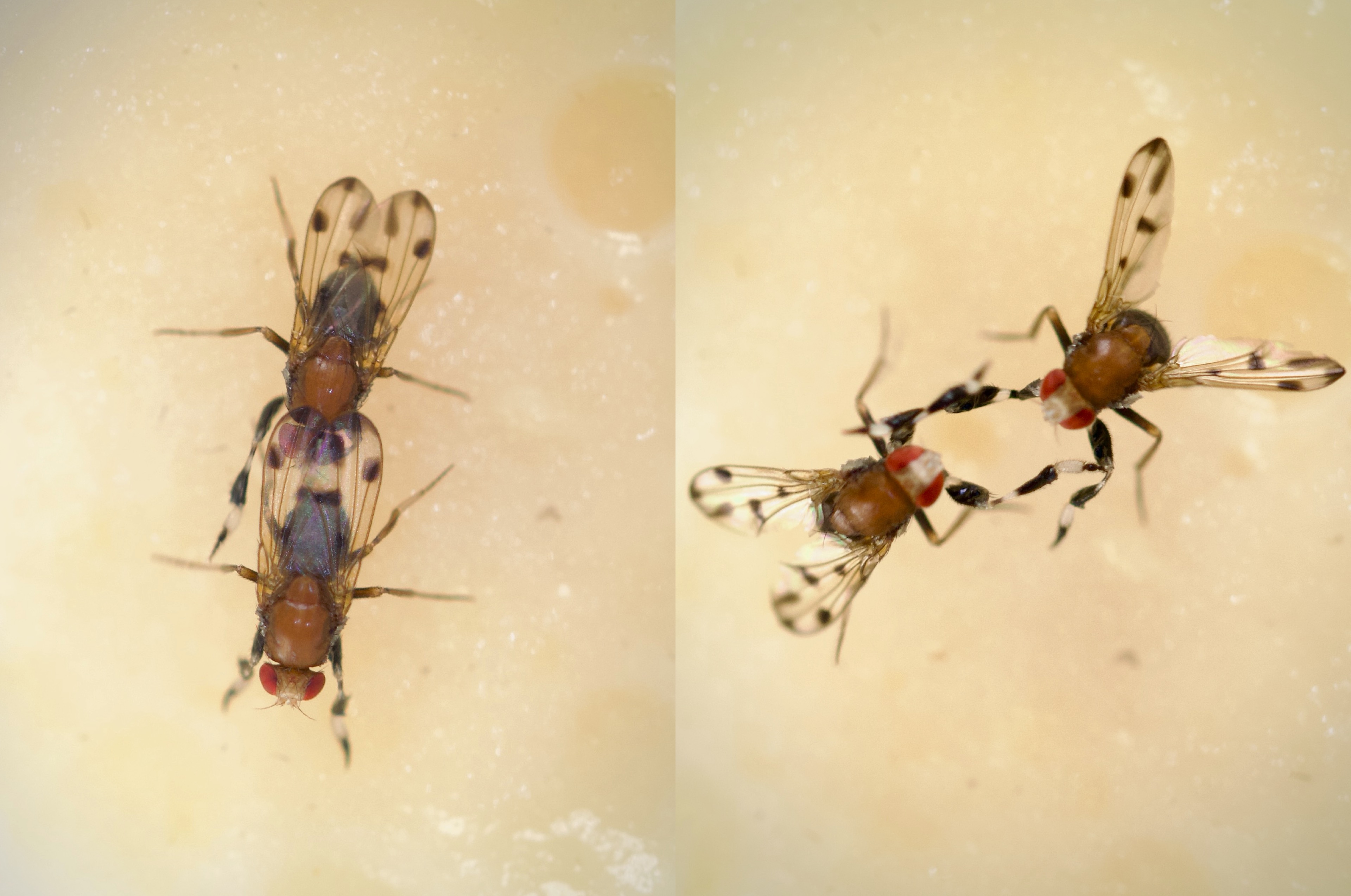
Aggressive encounter between two male Drosophila prolongata. In the first image (left), one male chases the other, leading to an escalation into a fight involving leg fencing (right).

IS: What is your favorite social insect, and why?

Burying beetles are my favourite social insects. I studied them during my PhD and still find their social behaviour incredibly enigmatic–most of which takes place on or inside the decaying carcass of a vertebrate! In a sense, what is a crypt to some is a cradle for burying beetles. Aside from their important ecological role as efficient buriers of small rodent and bird corpses, the complexity of their social interactions within family is, to me, unparalleled in the arthropod world. These behaviours include larvae begging for food and parents regurgitating a “soup” of pre-digested carcass flesh to feed them. Conveniently, burying beetles are mostly undisturbed by experimental conditions, making their behaviour relatively easy to observe and study in the lab.

IS: What is the best moment/discovery in your research so far? What made it so memorable?

A memorable discovery was analysing the data of my first PhD experiment and finding that they absolutely defied our initial predictions. Contrary to expectations, burying beetle mothers didn’t reduce care when experimentally handicapped by a led weight attached to them –instead, they provided more care. At first, this result was puzzling to me, but it became a revelation about the importance of understanding a species’ natural history. It makes sense for a parent to increase investment towards the current brood when prospects for future reproduction are low, which is the case with handicapping, even if the cost of care is higher. This insight highlighted a crucial lesson: while theoretical predictions are valuable, they must be contextualised within the specific biology of the study system.

IS: Do you teach or do outreach/science communication? How do you incorporate your research into these areas?

In both teaching and science communication I try to incorporate my own research as case studies to illustrate key concepts and bring scientific research to life. I find that people are more engaged when they can interact directly with the researchers behind the studies.

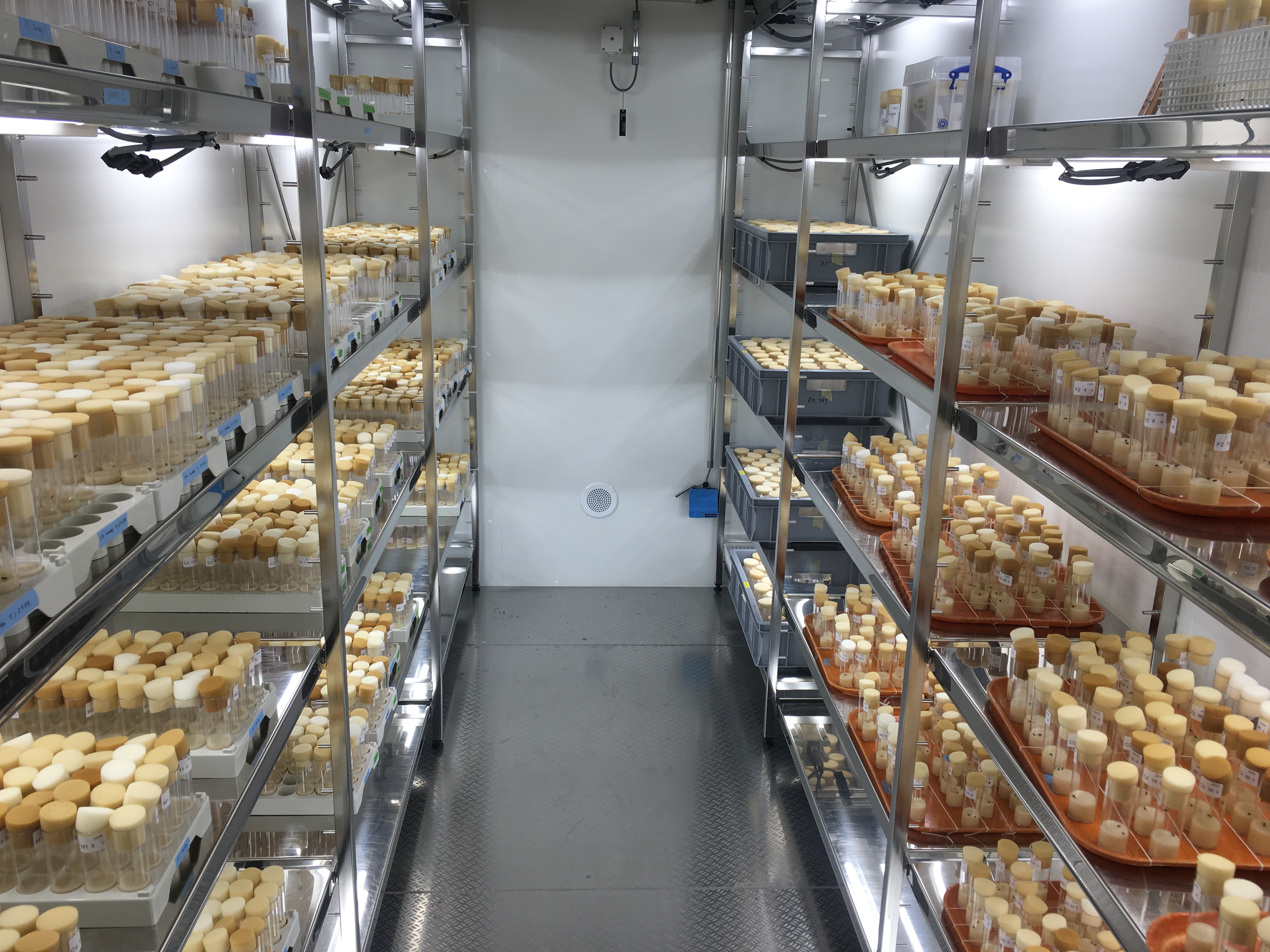
Lab stock and experimental populations of the fruit fly Drosophila prolongata

IS: What do you think are some of the important current questions in social insect research, and what is essential for future research?

In my opinion, some critical questions in the field include clarifying the role of social behaviour in shaping population dynamics and evolutionary responses. It is increasingly clear that social interactions within a group can drastically influence the population growth, survival, and how animals respond and adapt to environmental changes. However, what remains less understood is when and to what extend behavioural dynamics taking place among interacting individuals can impact group fitness and drive long-term phenotypic evolution.

IS: Outside of science, what are your favorite activities, hobbies, or sports?

One of my top hobbies is spending time outdoors. I’ve been fortunate to live near beautiful natural landscapes and mountains, which has allowed me to enjoy hiking throughout the year. It’s a great way to clear the mind and recharge. I’m also a regular at the bouldering gym. And of course, entomology remains an important hobby of mine.

IS: What is the last book you read? Would you recommend it? Why or why not?

The book “In search of us: adventures in anthropology” by Lucy Moore, and I highly recommend it. It’s a fascinating account of the origins of anthropology, told through the stories of people who helped found the discipline. It’s rich in field work and historical anecdotes. The author does a nice job of highlighting the complexities of the influential figures in the field–acknowledging both their biases as Westerners and their progressive ideas ahead of their time.

Burying beetles parents feeding their larvae.

IS: How do you keep going when things get tough?

Talking things through with colleagues, friend, or family often helps. While it may not directly solve the problem, verbalising it can normalise the issue and make it feel less dramatic (which it often is). Sometimes, simply going for a walk works wonders–a change of scenery can help put things into perspective.

IS: If you were to go live on an uninhabited island and could only bring three things, what would you bring? Why?

If it can count as one item, I’d bring my partner with me. She’s incredibly resourceful and crafty, and would surely be a great survival companion (as she is in life!). I’d make sure she brings her Swiss army knife, so that’s item number two covered. And obviously a tube to collect beetles as my third item.

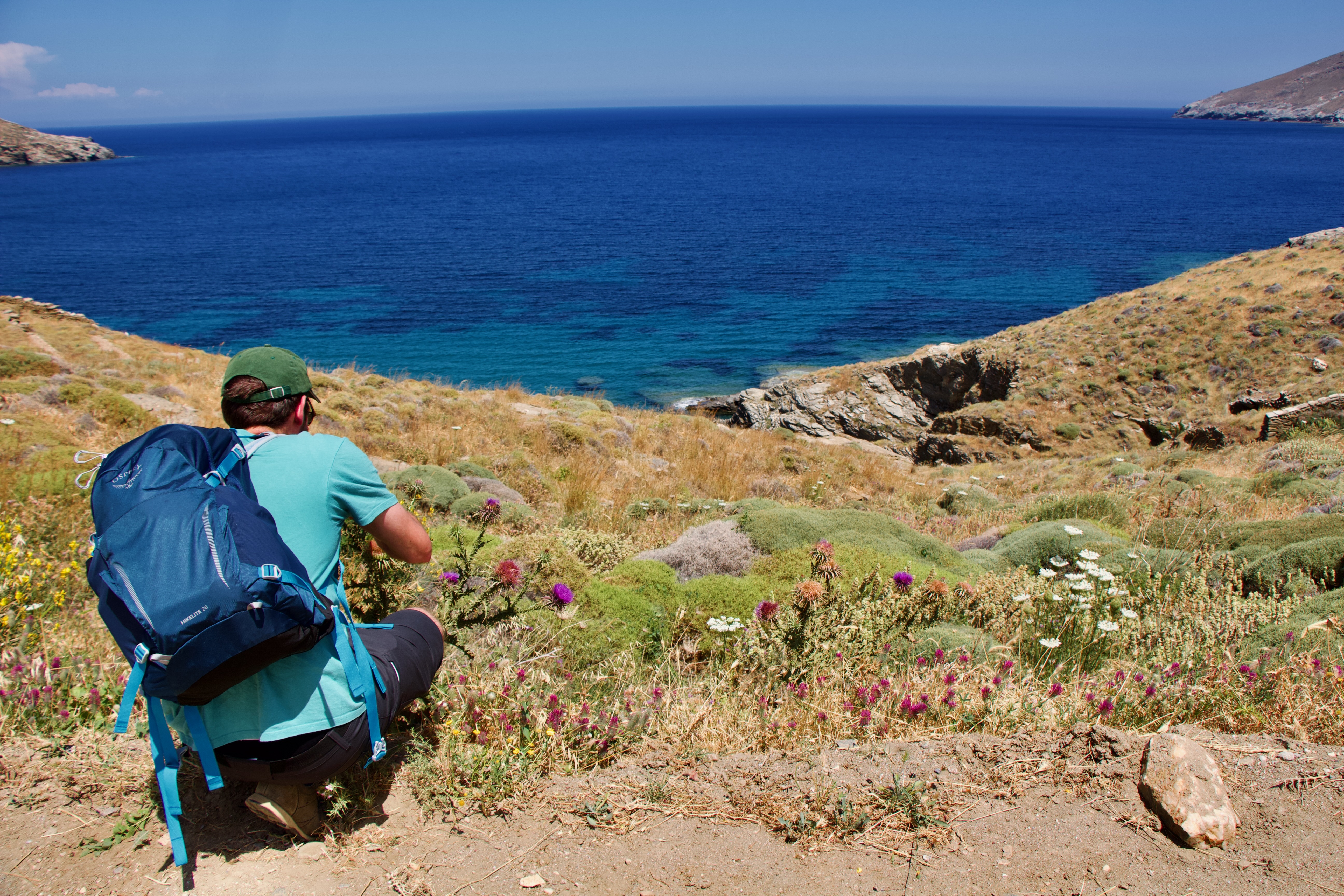
Tom, collecting beetles in Greece

IS: Who do you think has had the most considerable influence on your science career?

My PhD supervisor, Per Smiseth, has been a major influence on my scientific career. He’s a mentor with exceptional work ethics. Another key figure was Sylvain Pincebourde, who took me as an intern in his lab when I just a first-year undergraduate. That was my very first  real research experience, and was incredibly formative. I also owe a great deal to many other mentors and colleagues who have had an important role in shaping my interest and career in Science, including Joël Meunier, Pierre-Olivier Montiglio, Niels Dingemanse, Cristina Tuni, Stefan Lüpold, and Wolf Blanckenhorn.

IS: What advice would you give to someone hoping to be a social insect researcher in the future?

A general piece of advice, not just for someone interested in social insects, is to focus on work you’re passionate about and truly enjoy. With genuine interest and motivation, nearly everything seems to become achievable.

IS: Has learning from a mistake ever led you to success?

Yes! And, sadly, the most painful mistakes are often the ones that teach us the most.

IS: What is your favorite place science has taken you?

The tropical forests of Panama are a favourite of mine. I also have a soft spot for Mediterranean ecosystems. Despite their dryness, I’m always surprised by their abundance and diversity of plants and animals.