Pesticides damage bee parenting — and their larvae pay the price

By Leeah Richardson

Leeah is a graduate student at the University of Texas at Austin with a particular interest in insect behavior and anthropogenic stressors. In this blog, she explains how, although not highly lethal to adults, some pesticides can harm bumblebees in indirect ways. Her latest research on social insects can be read here.

Worldwide we use billions of pounds of pesticides each year agriculturally to control crop pests (FAO 2024) but this negatively impacts many insects that benefit crop production – for example: pollinators. Regulatory agencies do try to minimize the impact pesticides have on pollinators, but this is largely by preventing lethal effects. Pesticides don’t always have to kill bees to harm their populations and the pollination services they provide. By asking how much of a chemical is lethal to adults, we can miss subtle yet important effects on bee behavior and reproduction.

For many animals, including most bee species, offspring receive care from adults in order to survive. For example, in a bumblebee colony, worker bees chew through the wax covering their larval sisters to feed them pollen and nectar, regulate the temperature of the colony, and perform hygienic behaviors, so that these larvae can develop into adult bees. These caretaking behaviors are critical, but can be vulnerable to environmental stressors, like exposure to insecticides.

Bumblebee (Bombus impatiens) workers displaying caretaking behaviors on a brood mass.

The insecticide Flupyradifurone (FPF) is especially interesting to study in the context of how it may influence bee caretaking behaviors FPF is not likely to outright kill adult honeybees or bumblebees at the concentrations present agriculturally – so it can be sprayed on flowering crops, but recent studies have shown that it has negative effects on bumblebee larvae (Fischer et al. 2023, Richardson et al. 2024). This raises the question: are bee larvae themselves sensitive to FPF, or is the problem that exposed adults provide poorer care to developing larvae?

We conducted two experiments to determine whether FPF is directly toxic to larvae through ingestion or if FPF has indirect effects by impairing caretaking behaviors (below).
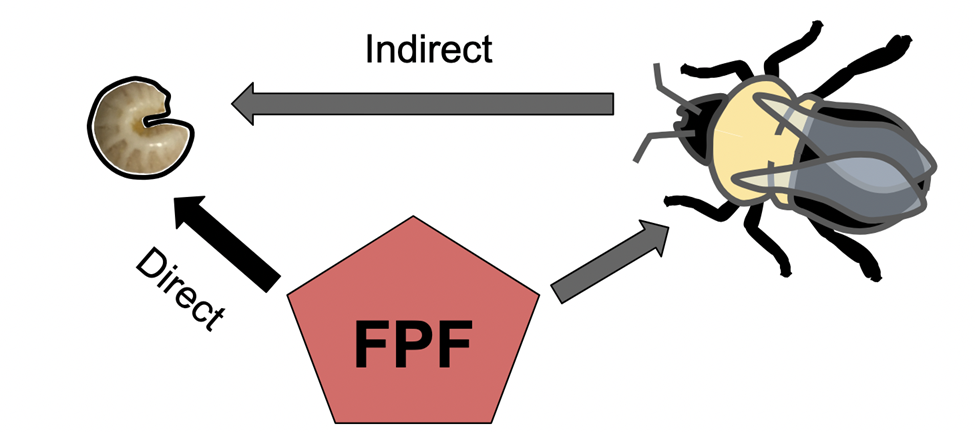
FPF could influence larvae directly (due to ingestion) or indirectly (by impairing caretaking behaviors provided by the adults).

We first did an experiment where we fed larvae by hand so that parental care was completely standardized for all of the larvae. To do this, we took larvae from an existing colony and kept each larva in an individual well of a 24-well plate, provisioning them with a sugar water/pollen mixture four times per day for three days. This mixture was either untreated (control) or contained FPF at one of four concentrations. If FPF was directly toxic, we expected to see higher mortality or delayed molting with the treated larvae. Instead, we found no differences between our untreated control groups and the treated larvae.

Process of removing all larvae from an existing colony under red light, then sorting them into size categories (instars), then placing them into individual wells in 24-well plates to be hand fed a sugar water/pollen mixture.

We then conducted a cross-fostering experiment to test for both direct and indirect effects to larvae. We created small “microcolonies” with four worker bees each that begin laying eggs and rearing offspring once separated from their queen. Half of these microcolonies were given FPF treated sugar water for two weeks, while the other half got untreated (control) sugar water.

Bumblebee microcolony with three worker bees on the brood mass they produced. Larvae are kept under the wax covering, so at the end of the experiment we peel this back to count and weigh them.

After two weeks, we swapped the adults to new microcolonies so that we now had groups of larvae that had never been exposed to FPF being cared for by FPF-treated adults, and groups of larvae that had been exposed to FPF being cared for by untreated (control) adults for three days (see figure below). This design allowed us to see whether larval outcomes depended on what the larvae themselves had previously ingested or on the status of their caretakers.

Design of our cross-fostering experiment to decouple adult and larvae exposure during the second phase and we found that whether the adults had been treated during phase 1 most influenced the size of the larvae we recovered from the microcolonies (adapted from Richardson et al. 2025).

We expected that if FPF directly impaired the larvae then whether or not the larvae themselves had been exposed to FPF for the two weeks prior to cross-fostering would strongly influence larval outcomes, but if indirect effects due to impaired parental care was most important then whether or not the adult caretakers had been exposed to FPF would instead be most influential. We found that it was the adult exposure to FPF that had the largest impact on larval outcomes (particularly the size of the larvae). Larvae tended by FPF-exposed adults were consistently smaller than those cared for by untreated adults, regardless of whether the larvae themselves had ingested FPF previously.

Both our hand-feeding and cross-fostering experiments showed that the larvae were surprisingly tolerant to direct FPF exposure via ingestion, but they were highly sensitive to impaired care. Together, these findings suggest that FPF’s harm to bumblebee larvae is driven mainly by changes in adult behavior, not by direct toxicity to the young.

Bee declines are complex, driven by habitat loss, climate change, disease, and pesticides (Goulson et al. 2015). Our study highlights the importance of testing not just whether pesticides kill adults, but also whether they disrupt the social and parental behaviors that larvae depend on. Future work should extend these kinds of experiments across more bee species and under field conditions, where multiple stressors interact.

References:

Fischer, L. R., Ramesh, D., & Weidenmüller, A. (2023). Sub-lethal but potentially devastating—The novel insecticide flupyradifurone impairs collective brood care in bumblebees. Science of The Total Environment, 903, 166097. https://doi.org/10.1016/j.scitotenv.2023.166097


Goulson, D., Nicholls, E., Botías, C., & Rotheray, E. L. (2015). Bee declines driven by combined stress from parasites, pesticides, and lack of flowers. Science, 347(6229), 1255957. https://doi.org/10.1126/science.1255957


Pesticides use and trade. 1990–2022. (2024). Food and Agricultural Organiation of the United Nations. https://www.fao.org/statistics/highlights-archive/highlights-detail/pesticides-use-and-trade-1990-2022/en


Richardson, L. I., DeVore, J., Siviter, H., Jha, S., & Muth, F. (2025). Bumblebees exposed to a novel ‘bee-safe’ insecticide have impaired alloparental care and reproductive output. Insectes Sociaux. https://doi.org/10.1007/s00040-025-01054-w


Richardson, L. I., Siviter, H., Jha, S., & Muth, F. (2024). Field‐realistic exposure to the novel insecticide flupyradifurone reduces reproductive output in a bumblebee (Bombus impatiens). Journal of Applied Ecology, 61(8), 1932–1943. https://doi.org/10.1111/1365-2664.14706

Insect architects: How termites, ants, and bees build without blueprints

by Paige Caine

Paige Caine is a PhD student in Dr. Michael Goodisman’s lab at Georgia Tech. She study fire ants and yellowjackets wasps. In this blog, she explains how social insects, such as termites, ants, or bees, collectively manage to build complex nests. Her latest research on social insects can be read here.

A builder stands at the foot of her construction, a massive skyscraper towering thousands of times her height. The imposing architectural feat stretches stories underground as well, and is home to thousands of individuals. She can’t see the results of all her hard work though; she’s blind. In fact, the entire team of builders responsible for the structural triumph is blind, and they didn’t have a chief architect or any blueprints to guide them. How did they do it?

To answer this question, let’s meet the construction crew: Cathedral Termites. Native to Australia, this species of termites has blind workers measuring only about 3-4.5 millimeters long, yet they build massive nests to house their queens, kings, and young. 

A Cathedral Termite (Nasutitermes triodiae) mound.

But this feat isn’t unique to Cathedral Termites—most social insects construct some form of nest. These structural marvels range in size and shape, from Cathedral Termite mounds to charismatic honeybee hives to tiny ant homes contained within acorns.  In the absence of realtors, social insects often use collective decision-making to choose a nest location that optimizes temperature, sunlight, precipitation level, predation risk, and proximity to resources (Jeanne and Morgan 1992; London and Jeanne 2000; Suzuki et al. 2007). These strategies typically involve sending a few scouts to locate potential nesting sites. The scouts then recruit colony-mates to “vote” on sites by physically going to that site and contributing to the recruitment effort. Eventually, a quorum is reached, and the losing party packs up from their rejected sites and heads to the winning location (Pratt 2005).

Once the site has been chosen, a range of different construction methods are used to build the nest. Termites and ants tend to excavate their homes, while social bees and wasps tend to build their homes from manipulated biological material—chewed up wood pulp in the case of social wasps or wax in the case of some bees.

A social wasp nest from the yellowjacket Vespula squamosa. While these structures are built underground, this nest has been excavated (left), and then separated into the individual layers of comb (right).

A common problem during collective construction—and one most human commuters are accustomed to—is crowding. To excavate a massive structure composed of tunnels and chambers, ants and termites must navigate narrow spaces containing hundreds or even thousands of individuals. One way termites solve this problem is through something referred to as a “bucket brigade;” like humans passing water towards a fire via a series of buckets, some termite species form a queue and pass excavated material along from individual to individual until it reaches the deposition site (Bardunias and Su 2010). Some ants, on the other hand, utilize “laziness” to avoid crowding, by having certain individuals sit still while a minority actually contributes significantly to construction (Aguilar et al. 2018).

But, if there’s no blueprint and no architect in charge of doling out specific tasks, how are all these individual construction behaviors coordinated?

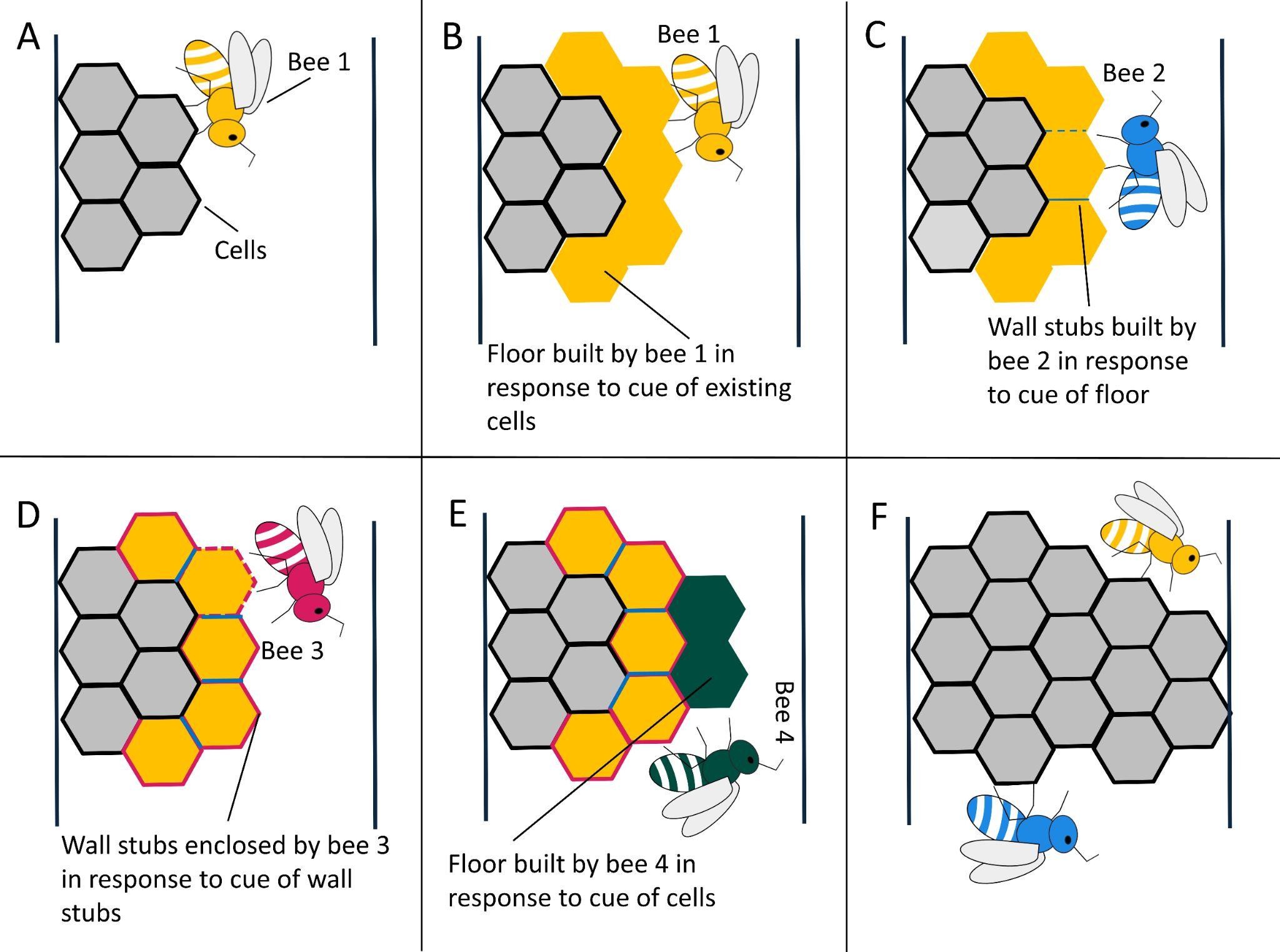
One common means of coordination is stigmergy, which means communicating across time via the environment. Each time an individual interacts with the incipient construction, they leave behind traces of their behavior, either by shaping the material or leaving behind chemicals. These cues tell individuals who later approach the construction what has been done, and what’s left to do.

A diagram displaying stigmergy at work in honeybee nest construction, based on (Nazzi 2016). Different colored bees indicate distinct individuals A) Bee #1 interacts with cells constructed by her nestmates. B) Cells act as cues for bee #1 to extend the floor of the nest. C) Floor acts as a cue for bee #2 to begin constructing stubs of a wall. D) Third bee detects these wall stubs and responds by adding to the stubs to encircle a cell. E) Fourth bee notices cells constructed by her nestmates and responds by extending the floor further. F) After additional building activity by several bees, the comb of cells hits the edge of the cavity.

Now that we know how social insects build their remarkable nests, another natural question is why?

Social insect nests offer many advantages to residents. For one, they offer protection from weather, much like a human home. They also protect against infection, with many species actively incorporating antimicrobial bacteria or other antibiotic agents into the walls (Tranter et al. 2013; Madden et al. 2013; Chouvenc et al. 2013). Nests also enable protection against larger threats, functioning as defendable fortresses. In fact, many species employ guards at nest entrances, and often close their doors at night (Bennett and Baudier 2021).  Finally, nests help large insect societies organize their behaviors by physically contributing to division of labor, as well as by influencing the efficiency of collective tasks like foraging.

Termites nesting in paper (left), which they eat as they construct. Ants nesting in soil (right), showcasing some of the many interior tunnels and chambers.

Overall, social insect nest construction is an impressive feat, and the results are both structurally remarkable and highly functional. One day, we may be able to imitate such techniques using swarm robotics. Today, many engineers are already working on bio-inspired robot collectives capable of construction. Robotic models are even being designed to test hypotheses about collective behaviors in social insect groups, an approach recently termed “robophysics.” In the future, robophysical models may unlock some of the principles underlying social insect nest construction, strengthening our understanding of collective behavior in both engineering and biology.

Robots engaged in construction. Left photo credit: Eliza Grinnell/Harvard SEAS. Right photo credit: Daniel Soto, Joonha Hwang

References:

Aguilar J, Monaenkova D, Linevich V, et al (2018) Collective clog control: Optimizing traffic flow in confined biological and robophysical excavation. Science 361:672–677. https://doi.org/10.1126/science.aan3891

Bardunias PM, Su NY (2010) Queue Size Determines the Width of Tunnels in the Formosan Subterranean Termite (Isoptera: Rhinotermitidae). J Insect Behav 23:189–204. https://doi.org/10.1007/s10905-010-9206-z

Bennett MM, Baudier KM (2021) The Night Shift: Nest Closure and Guarding Behaviors in the Stingless Bee, Tetragonisca angustula. J Insect Behav 34:162–172. https://doi.org/10.1007/s10905-021-09779-9

Caine, P.B., Robertson, A.T., Treers, L.K. et al. Architecture of the insect society: comparative analysis of collective construction and social function of nests. Insect. Soc. (2025). https://doi.org/10.1007/s00040-025-01057-7

Chouvenc T, Efstathion CA, Elliott ML, Su N-Y (2013) Extended disease resistance emerging from the faecal nest of a subterranean termite. Proceedings of the Royal Society B: Biological Sciences 280:20131885. https://doi.org/10.1098/rspb.2013.1885

Jeanne RL, Morgan RC (1992) The influence of temperature on nest site choice and reproductive strategy in a temperate zone Polistes wasp. Ecological Entomology 17:135–141. https://doi.org/10.1111/j.1365-2311.1992.tb01170.x

London KB, Jeanne RL (2000) The interaction between mode of colony founding, nest architecture and ant defense in polistine wasps. Ethology Ecology & Evolution https://doi.org/10.1080/03949370.2000.9728440

Madden AA, Grassetti A, Soriano J-AN, Starks PT (2013) Actinomycetes with Antimicrobial Activity Isolated from Paper Wasp (Hymenoptera: Vespidae: Polistinae) Nests. Environ Entomol 42:703–710. https://doi.org/10.1603/EN12159

Nazzi F (2016) The hexagonal shape of the honeycomb cells depends on the construction behavior of bees. Sci Rep 6:28341. https://doi.org/10.1038/srep28341

Pratt SC (2005) Quorum sensing by encounter rates in the ant Temnothorax albipennis. Behav Ecol 16:488–496. https://doi.org/10.1093/beheco/ari020

Suzuki Y, Kawaguchi LG, Toquenaga Y (2007) Estimating nest locations of bumblebee Bombus ardens from flower quality and distribution. Ecol Res 22:220–227. https://doi.org/10.1007/s11284-006-0010-3

Tranter C, Graystock P, Shaw C, et al (2013) Sanitizing the fortress: protection of ant brood and nest material by worker antibiotics | Behavioral Ecology and Sociobiology. Behavioral Ecology and Sociobiology 68:499–507. https://doi.org/10.1007/s00265-013-1664-9

At what point does a male social wasp leave his natal nest to reproduce?

By Daniela Torres Garcia

In this blog, Daniela Torres Garcia, from the University of São Paulo, describe how she discovered that the number of females in a Mischocyttarus cerberus wasp nest influences the departure of males for mating. This latest research on social insects can be read here.

In social hymenopterans, male reproductive success depends entirely on the timing of reproduction, as males play no role in maintaining the colony—at least in the widely studied species. Males of many species, including social wasps, undergo post-pupal sexual maturation within the natal nest before dispersing to mate, during which time they rely on their nestmates for protection and food.

This leads us to a key question: do all males leave the nest at the same time, or is there something that makes some of them stay longer or shorter in their natal nest?

To answer this, we observed a population in southeastern Brazil of the Neotropical species Mischocyttarus cerberus. We conducted a rigorous monitoring of the nests of this species over several weeks to track male dispersal, and we found that the time a male spends in the nest before leaving varies. Some males leave the day after emerging, while others remain for almost a week.

Nest of M. cerberus with females and males. Photo by Andres Rodrigues De Souza.

Given this variability, we asked what factors might be influencing male dispersal timing. Does the social context affect this variability? That is, does the number of adult females in the nest influence how long the males stay? Do males stay longer when more adult females are present?

We addressed these questions using two approaches: on the one hand, observationally, by monitoring 36 natural nests; on the other hand, experimentally, by manipulating the number of females in 22 nests to see whether this caused a change in male dispersal behavior. And what did we find? Males in nests with more females stayed longer, thereby delaying their dispersal.

On average, males left after 3 days, but some took up to 8 days. We found that in nests with three females, males stayed for about 2.8 days, whereas in nests with only one female, they left after just 1.7 days. This suggests that females modulate male dispersal, which can last up to 8 days—similar to another social wasp, Polistes lanio (up to 7 days) (Southon et al., 2020). Why? Probably because staying in the nest is safer and more comfortable. More females mean better defense against predators and more food available. It is worth remembering that the sting—the primary defense mechanism of this group—is associated with the female reproductive system and thus is absent in males.

Male M. cerberus resting on the underside of a leaf within the study area. Photo by Andres Rodrigues De Souza.

Therefore, it is not surprising that males from nests with more females delay their dispersal to complete their sexual maturation in a safer and more comfortable environment, thereby increasing their survival and future reproductive competitiveness (i.e., by accumulating energy reserves). The accumulation of these reserves could help them avoid having to expose themselves on flowers to obtain food once dispersed.

Taken together, these results highlight the role of social context in shaping male reproductive strategies and suggest that pre-dispersal social life may be an underestimated factor in the physical fitness of males in social insects.

The reproductive biology of male social insects has often been studied at mating sites, such as leks and swarms (Beani et al., 1992; Beani et al., 2014). However, less attention has been given to male behavior prior to reaching these sites (e.g., Southon et al., 2020), despite its potential to influence male competitive ability. Therefore, pre-dispersal social life may be an overlooked aspect of male paper wasps’ reproductive strategies.

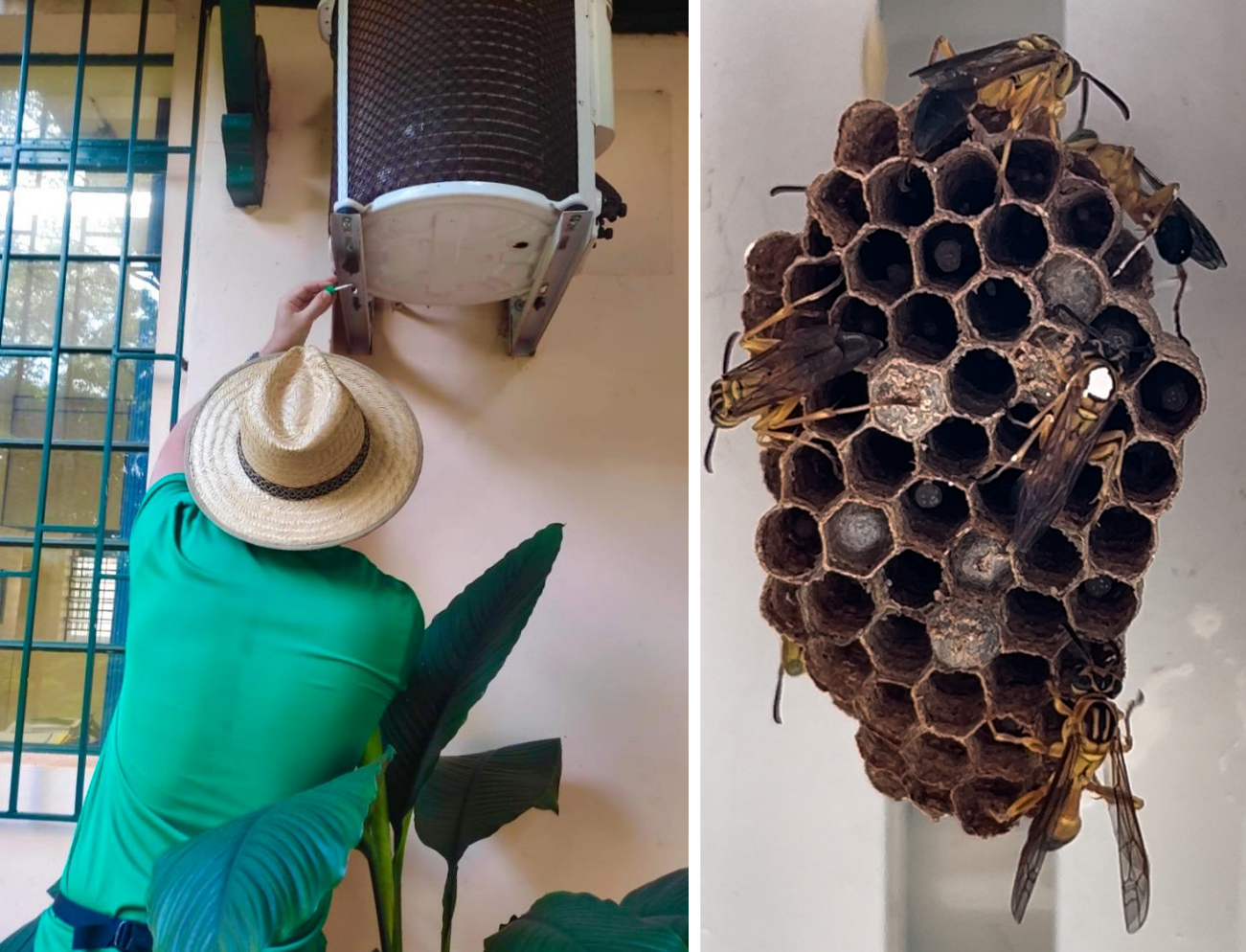
Left: Researcher tagging M. cerberus males for tracking, under an air conditioning unit. Right: M. cerberus nest under study, with several workers visible on the cells

References

Beani L, Dessì-Fulgheri F, Cappa F, Toth A (2014) The trap of sex in social insects: from the female to the male perspective. Neurosci Biobehav Rev 46:519–533. https://doi.org/10.1016/j.neubiorev.2014.09.014

Beani L, Cervo R, Lorenzi CM, Turillazzi S (1992) Landmark-based mating systems in four Polistes species (Hymenoptera: Vespidae). J Kansas Entomol Soc 8:211–217 https://www.jstor.org/stable/25085358

Garcia, D. T., Santos, E. F., Santos, S. A., do Nascimento, F. S., Krams, I., Rantala, M. J., & de Souza, A. R. (2025). Social context predicts male dispersal in nests of a paper wasp. Insectes Sociaux, 1-4. https://doi.org/10.1007/s00040-025-01050-0

Southon, R. J., Radford, A. N., & Sumner, S. (2020). Hormone-mediated dispersal and sexual maturation in males of the social paper wasp Polistes lanioJournal of Experimental Biology223(23), jeb226472.

What does a stingless bee eat?

By Elyrice Alim

Elyrice, a researcher specialising in stingless bees in Malaysia, shares her observations on their diet, their favourite plants and the secrets of their unique honey. Read her latest article in Insectes Sociaux here.

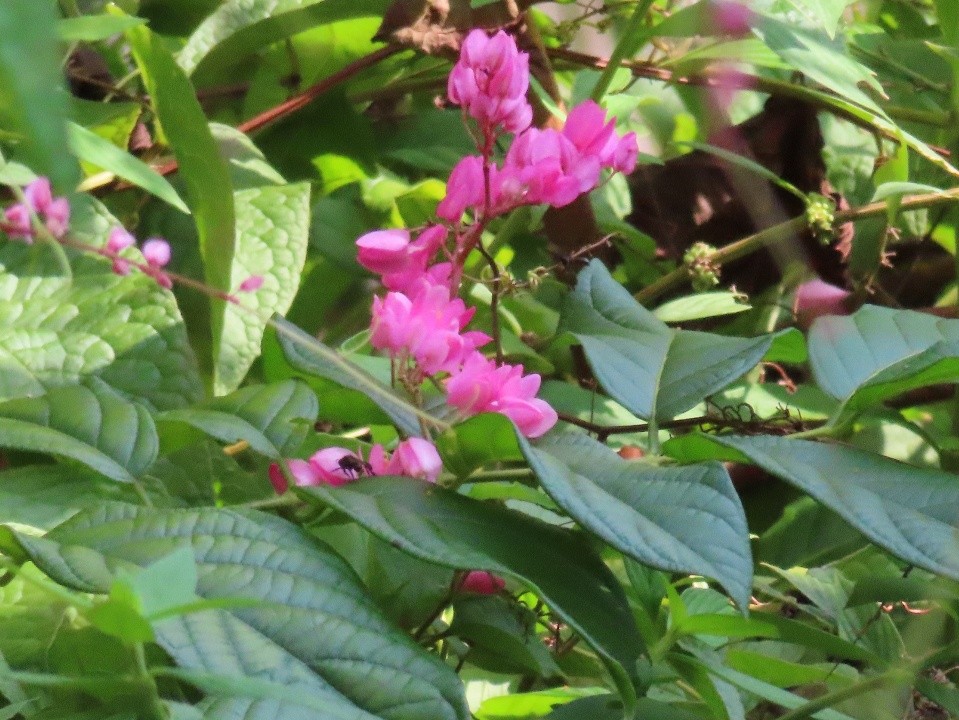
During one of my honey sampling trips, I noticed that the farm does not keep the Antigonon leptopus plant. It is strange, because I was informed this is a popular stingless bee food plant and I have not seen one without any insects on a good weather. Locally called air mata pengantin (bride’s tears), I have seen this plant everywhere because it is a beautiful creeper with pink flowers. It brings vibrant colours to fences and even planted in oil palm plantations to attract insects away from the prized commodity. It is not difficult to maintain, so why not? I posed the question to the kind beekeeper, and the answer was simple: “ I did, but the stingless bees did not seem to be attracted to them so I got rid of the plant to make space for my crops”.

Stingless bee on Antigonon leptopus plant © Elyrice Alim

Stingless bees forage plants for food in the form of nectar (carbohydrate source), and pollen (protein source).  Between these two, nectar- which is later transformed into honey, is more important as this is the energy source while pollen is more crucial for breeding.

In Malaysia where I live, local stingless bee honey is at least three times more expensive than honey from honey bees. This is mostly due to the limited volume of production. Despite its lower productivity, meliponiculture or stingless beekeeping has its advantage here because it does not sting, it is native, and there is a common belief that it offers more therapeutical benefits than other type of honeys. This belief is not just a marketing strategy. There is a recent finding that proves an abundance of trehalulose in the stingless bee honey (Fletcher et al., 2020), which is lower in glycaemic index. Although there is few studies linking the plant sources to honey quality, past research from the Neotropics have shown that the therapeutic quality of stingless bee honey is indeed influenced by the botanical origin of the nectar, as well the species of stingless bees producing them (Camou-Guerrero et al., 2020).

What first piqued my interest on stingless bees was the honey, which is very distinct from honey bees’ honey. It is sour, watery and after taking into consideration the cost, it is not my first choice of spread over a breakfast toast. I was told this distinct taste is owed to the stingless bees’ smaller size, enabling them to reach special reserve of nectar where the bigger bees could not. If this is true, which plant could it be?

I started compiling a list of bee plants two years ago as a reference to start my master’s research on stingless bee plant preference. I quickly became aware that stingless bees are considered polylectic, or generalist when it comes to plant preference, much like the honey bees. Perhaps I was a bit disappointed on this, as I expect to discover something…more unique. Bee plant list from books and open sources inclined towards honey bee forage. Useful reference for stingless bees usually came from the Neotropics. Upon further searches, I found that most studies on stingless bee plant foraging in the Southeast Asian countries are site-specific. I thought, I could really use a compiled dataset, but no one seems to have done this specifically for this region. This has led to our latest article- A Review of Stingless Bee Plant Sources in the Indo-Malayan Region.

A typical setup of small-scale stingless bee farm taken at Sepanggar, Kota Kinabalu, Sabah. The area needs to be kept clean from rotten materials, kept cool (under shade or insulating material) and the entrance must not be facing another hive box entrance. © Elyrice Alim

In this review, we compiled stingless bee plant list from twenty-six studies in the Indo Malayan region. In terms of bee species, researchers seemed to incline towards the commercial stingless bee species, for example, the species of choice in Malaysia is Heterotrigona itama. We noticed that the top two plant families, Fabaceae and Asteraceae correspond to findings from other eco-regions (Bueno et al., 2023) but the subsequent or ‘secondary’ plant families of choice are different. We also did not expect Orchidaceae, the second most- specious plant family in this region to be less prominent. It is interesting to find that the most popular plant species does not come from the Fabaceae or Asteraceae family (clue: the flowers are clustered, which saves the stingless bees’ energy).

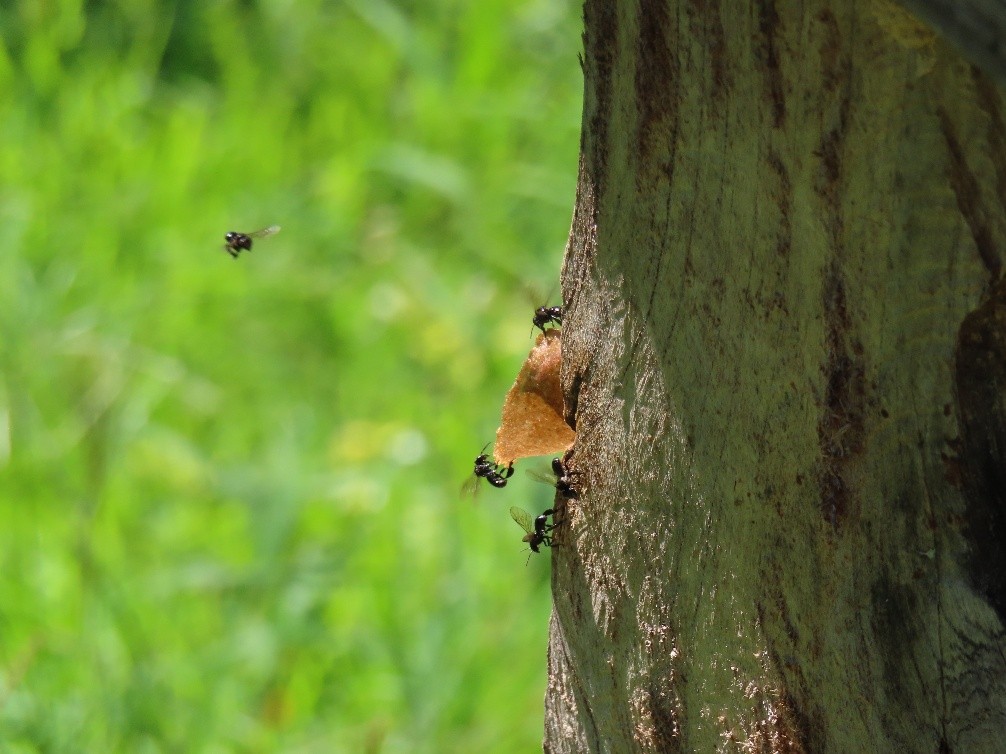
Stingless bees (Heterotrigona itama) at the entrance of a box hive. © Elyrice Alim

The result of our review reminds one to be prepared for the unpredictable nature of- well, the natural environment. For instance, the Antigonon leptopus did not appear in our top ten plant species list. Perhaps, many beekeepers, like the one I encountered, observed the same situation. It is more than probable that a polylectic bee can still be choosy when there are choices.

References

Alim, E., Yek, S.H. A review of stingless bee plant sources in the Indo-Malayan region. Insectes Sociaux (2025). https://doi.org/10.1007/s00040-025-01033-1

Bueno, F. G. B., Kendall, L., Alves, D. A., Tamara, M. L., Heard, T., Latty, T., & Gloag, R. (2023). Stingless bee floral visitation in the global tropics and subtropics. Global Ecology and Conservation, 43, e02454. https://doi.org/10.1016/j.gecco.2023.e02454

Camou-Guerrero, A., Reyes-González, A., Reyes Salas, O., Ramírez-Arriaga, E., Vicente Vega Peña, E., Martínez, J., Lucero Romero-Martínez, D., & Lilia Torres-Juárez, A. (2020). Pot-Pollen and Pot-Honey from Stingless Bees of the Alto Balsas, Michoacán, Mexico: Botanical and Physicochemical Characteristics. In V. De Alencar Arnaut De Toledo & E. Dechechi Chambó (Eds.), Honey Analysis—New Advances and Challenges. IntechOpen. https://doi.org/10.5772/intechopen.86927

Fletcher, M. T., Hungerford, N. L., Webber, D., Carpinelli de Jesus, M., Zhang, J., Stone, I. S. J., Blanchfield, J. T., & Zawawi, N. (2020). Stingless bee honey, a novel source of trehalulose: A biologically active disaccharide with health benefits. Scientific Reports, 10(1), 12128. https://doi.org/10.1038/s41598-020-68940-0

Interview with a Social Insect Scientist: Andrea Ferrari

Andrea Ferrari is a PhD student (soon to be a PhD!) at the University of Milan. He studies the impact of urbanisation on wild bees’ morphology and physiology.  His latest work in Insectes Sociaux can be found here.

IS: Who are you, and what do you do?

I’m currently a third-year PhD student at the Department of Environmental Science and Policy at the University of Milan (Italy). Our group “INSEvEc” focuses on the evolution and ecology of insects, especially Hymenoptera. My main interest is wild bees and in the last three years I have studied how anthropisation, especially urbanisation, affects wild bees from different biological aspects. For example, how certain body structures look like in urban or natural areas? (morphology) or how certain molecular processes are shaped by urbanisation? (physiology).

IS: How did you develop an interest in your research?

To be completely honest, I’m not the kind of person who has a lifelong relationship with insects. I should say that my passion for wild bees (for those not familiar with the term, basically all the bees except the honeybee Apis mellifera) broke out during my Master’s thesis. At that time, I was not working specifically on wild bees, but rather on plant-pollinator networks. Somehow, I started to be fascinated by them. Inspired by my supervisor, I started going out at weekends just to see what they were doing. I think it was day after day of observation that I realised I wanted to do research on these insects after my degree, and try to discover something new and useful.

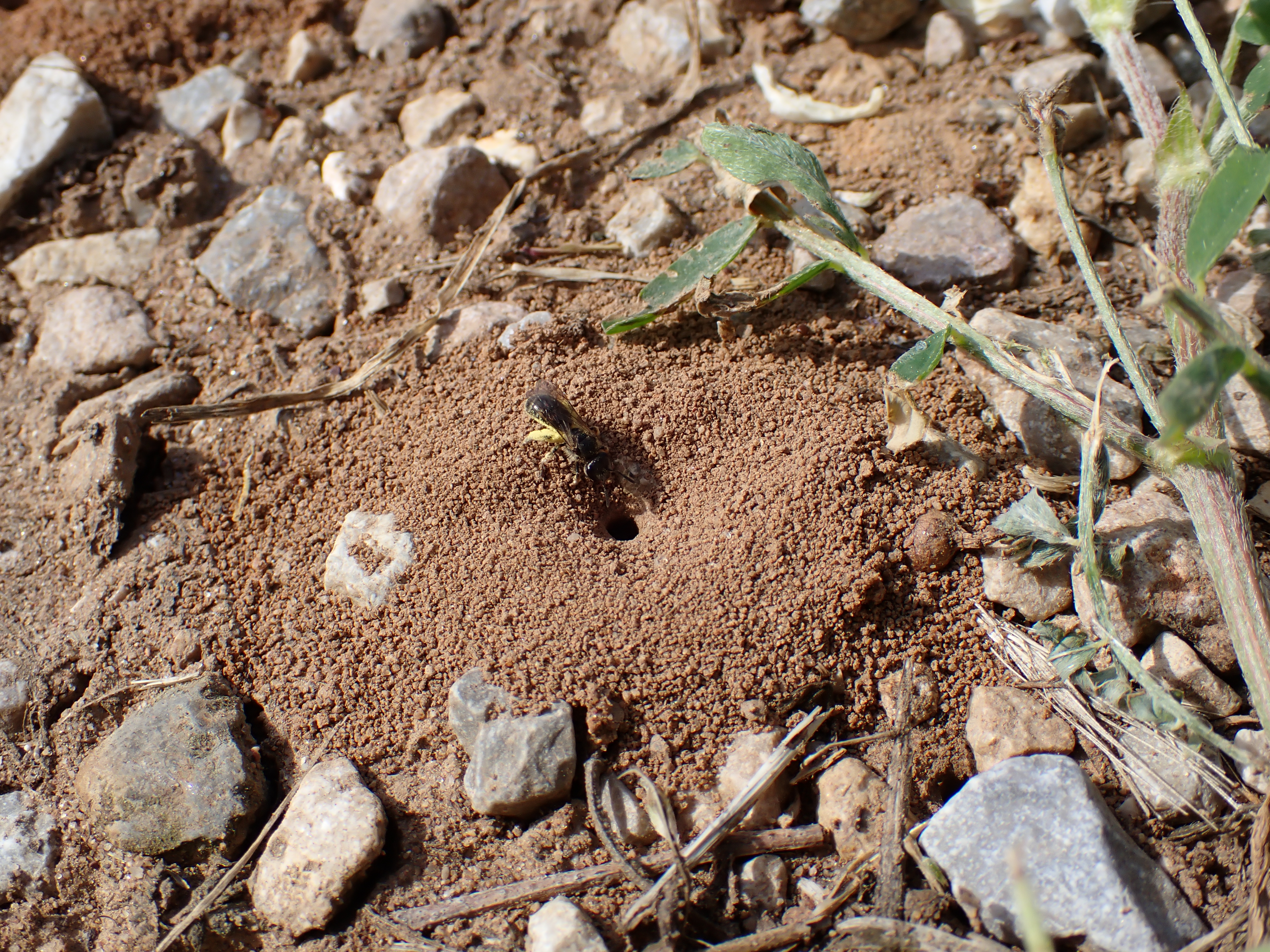
A female of Lasioglossum sp., a ground-nesting primitively eusocial species, entering its nest (Parco della Maremma, 2023)

IS: What is your favorite social insect, and why?

Definitely wild bees! I guess if I had to choose a favourite species it would probably be Halictus scabiosae, most of my PhD research is based on this species. Nevertheless, I really love these insects, but as with everything, saying why you love something is a real challenge! I guess there is no rational thought behind our tastes, sometimes you just like something for the way it is. However, now that I think about it, my passion for nature in general has probably helped. I really enjoy being outdoors, walking along a mountain trail or a country road in my spare time. So why not take the opportunity to study wild bees? They are so complex, come in so many different shapes and colours, I think I was captivated by them! I think you just have to go for it, if you love something then just go for it.

IS: What is the best moment/discovery in your research so far?

What made it so memorable? I am still “academically young”, so I have not had the opportunity to discover anything big. I would rather say that I really enjoy the feeling of doing something, even the smallest thing, that no one has ever thought of doing. Just to add that little brick to the wall of general knowledge, that brick with my name on it. Having said that, we have had the opportunity to discover some new morpho-physiological ways in which wild bees respond to urbanisation, so I guess that is what I am proud of at the moment.

A female of the ground-nesting primitively eusocial Halictus scabiosae feeding on an Asteraceae flower (Torino, 2024)

IS: Do you teach or do outreach/science communication? How do you incorporate your research into these areas?

As I said, I am still young to do proper teaching. However, I always try to tell people, especially students or young people, something about what I do or what may not be known to the general public, but I think deserves attention. I really stress the fact that wild bees, and wild insects in general, are among the animals most exposed to environmental change. I always try to transfer my energy and passion to my audience. I think that energy and spontaneity when talking about your research topic can really inspire people. It also helps that everyone knows bees (mostly honeybees), so I find it easy to talk about my research even outside the academic world.

IS: What do you think are some of the important current questions in social insect research, and what is essential for future research?

This is a question that probably goes beyond my current understanding of all the things that go on with social insects! From what I have seen in the last few years, I really think that most people automatically associate “social insects” with honeybees or ants. This is a shame, because I think there is still room for improvement in our understanding of how sociality has evolved in insects. How environmental changes are threatening social insects, and also discover new social insects! What I can say is that collaboration is going to be the keyword for future research. The sooner we understand that we are all on the same planet, the sooner we will start working together, breaking down gender/ethnic or whatever barriers you can think of. I really think that in the future research there is no space for “I”, but only for “We”. Social insect research, but I think all types of research, should really make an effort to reach as many people as possible, to communicate the findings, and to provide the next generations with new and useful information to make the world a better place.

IS: Outside of science, what are your favorite activities, hobbies, or sports?

Well, what I like most is having fun with my friends! Either going for a walk on a lazy weekend or partying at some cool places! I have been lucky enough to meet some really great people who make my life easier and happier. I also enjoy outdoor activities, be it hiking or biking, and I also really enjoy sports; I am a football fan and FC Inter is my favourite team. I also enjoy reading and playing chess.

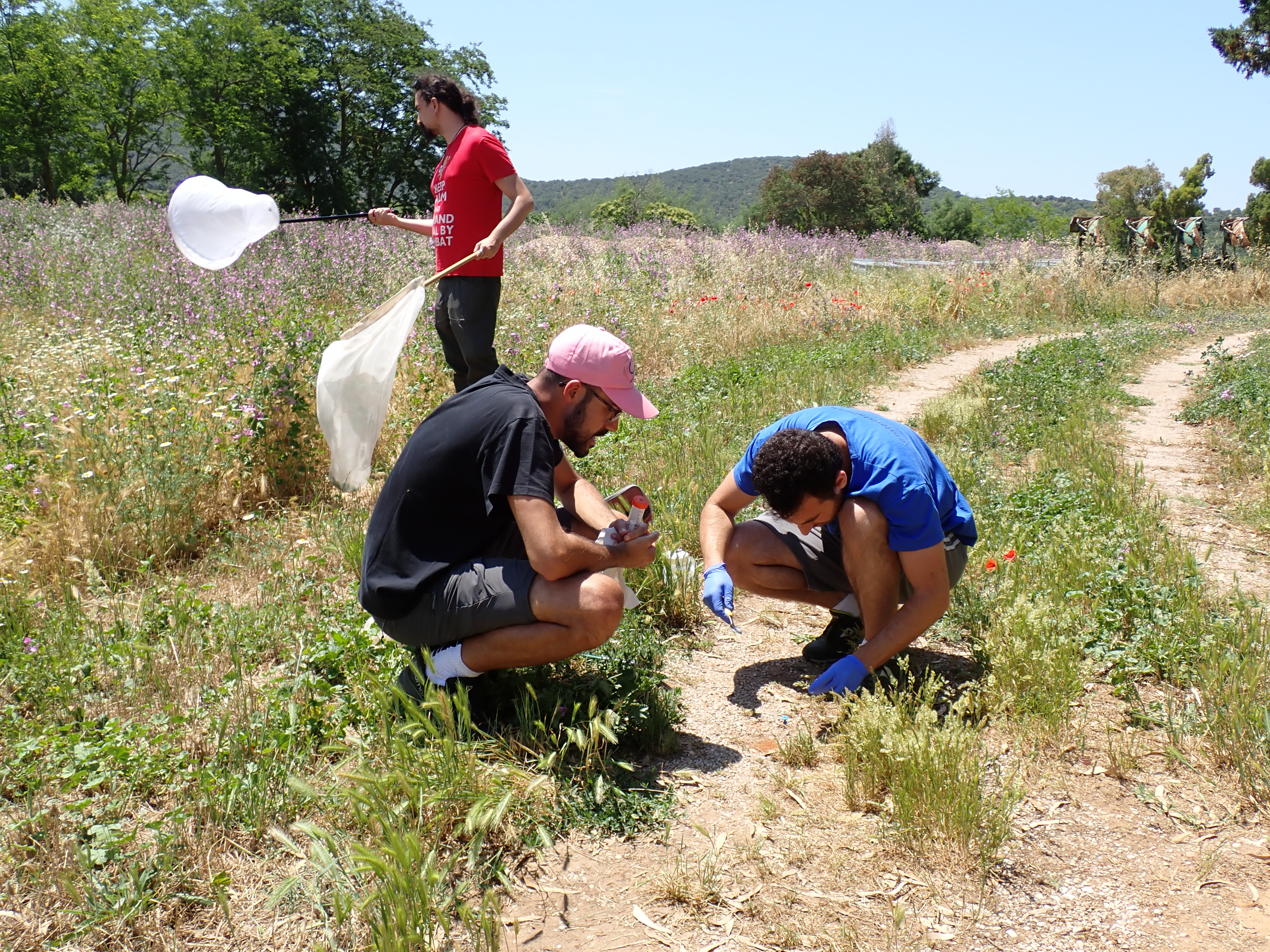
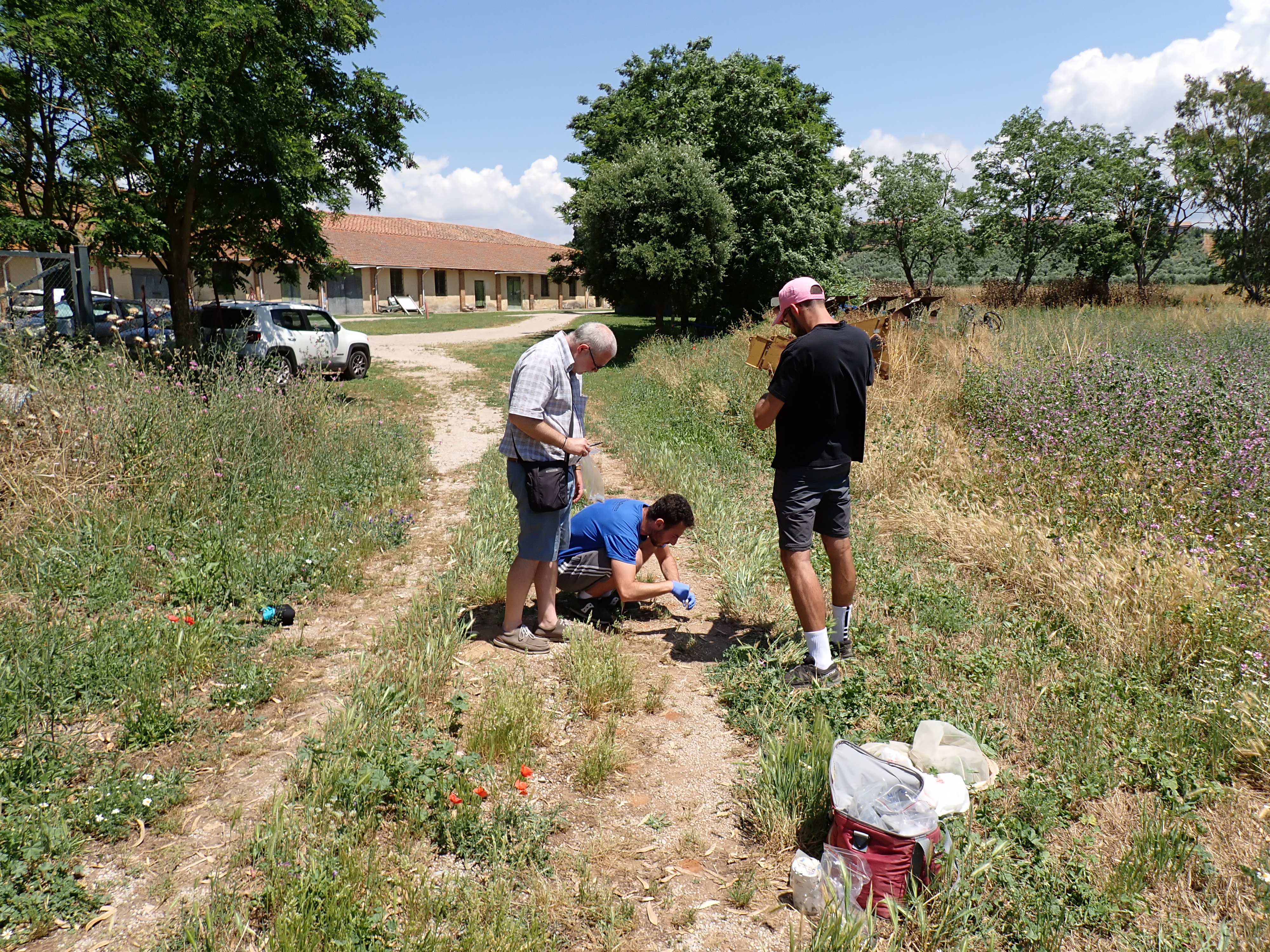
“INSEvEc” group sampling ground-nesting social bees in the Parco della Maremma (2023)

IS: What is the last book you read? Would you recommend it? Why or why not?

Well, for non-Italian readers this might be difficult to understand, but I read the latest comic by Zerocalcare, an author who recounts episodes from his life and his reflections through drawings, super recommended! I am currently reading “The Bee Sting” by Paul Murray, which has nothing to do with bees, but my parents bought it when they went to Edinburgh, so that is what I am reading now.

IS: How do you keep going when things get tough?

I recently had an unpleasant episode that prevented me from going abroad for a field study. Life is made up of choices, sometimes they lead to positive outcomes, sometimes not. I tell myself that as long as I try to be the best person I can be, I should have no regrets. I think it is important to realise that things are not always going to go our way, so when life gives you lemons, make lemonade! Try to make the best out of everything, and in the end, hard work will pay off!

IS: If you were to go live on an uninhabited island and could only bring three things, what would you bring? Why?

I hate these questions; I can never come up with anything that makes sense. Off the top of my head, I would say a Swiss Army knife as a tool, a camera to capture some moments and a satellite phone to call someone and get me home when I get bored!

IS: Who do you think has had the most considerable influence on your science career?

Certainly my current PhD supervisor Carlo. He is incredibly inspiring and always has a good balance between giving you instructions and letting you think with your head. I also have to mention Nicola, Paolo, and Andrea from my Master’s internship, who lit the spark in me to do research on wild bees.

“INSEvEc” group sampling ground-nesting social bees in the Parco della Maremma (2023)

IS: What advice would you give to someone hoping to be a social insect researcher in the future?

Just follow your dreams for as long as you can. Find an area of research that suits you best and be prepared to work really hard. Like I said, I really believe that hard work will pay off. The harder you work, the more grateful you will be in the end. And be passionate about what you are doing.

IS: Has learning from a mistake ever led you to success?

Can you even learn without making mistakes? I think science is about trying and failing, over and over again, until you get what you want. As humans, we make mistakes, and only those that do not work do not make mistakes. So yes, I always try to learn from my mistakes and try not to make the same mistake twice (but I still need to work on that).

IS: What is your favorite place science has taken you? I have not travelled that much so far, I have basically been around my city (Milan) and now I am doing my sampling activities in another big city in Northern Italy (Turin). I enjoyed working in the Parco della Maremma: beautiful places, bees and great food! If I may speak metaphorically, science has taken me to a place where I can really decide what I want to do and follow my dreams. It has brought me to a place where I have had (and hopefully will continue to have) the chance to meet extraordinary people who have really opened my mind.

Interview with a Social Insect Scientist: Riley Shultz

Riley works in the Department of Entomology at Purdue University and is interested in honey bee health. Her recent research published in Insectes Sociaux can be viewed here.

IS: Who are you, and what do you do?

I am a PhD student researcher in the Department of Entomology at Purdue University. I work in the Harpur Lab investigating honey bee health with a focus on honey bee drones. The Harpur lab strives to bridge the gaps in our knowledge about genomics, the evolution of eusocial species, and their adaptive traits. My specific research interests include mutation and molecular mechanisms of repair.

A frame of drone bees with nurse bees tending to the newly emerging adults.

IS: How did you develop an interest in your research?

I have always had a fascination with honey bees and medicine. When I was in high school my dad brought home a nuc of bees and invited me to join in the hobby with him. Spending summers doing mite washes, observing colony behaviors, and of course harvesting honey sparked my fascination with social insects. I ended up joining a bee lab during my undergraduate at Washington State University and developed further research interests in honey bee health. Now during my MS and PhD at Purdue University I am able to foster my interests in mutation using the unique haplodiploid honey bee.

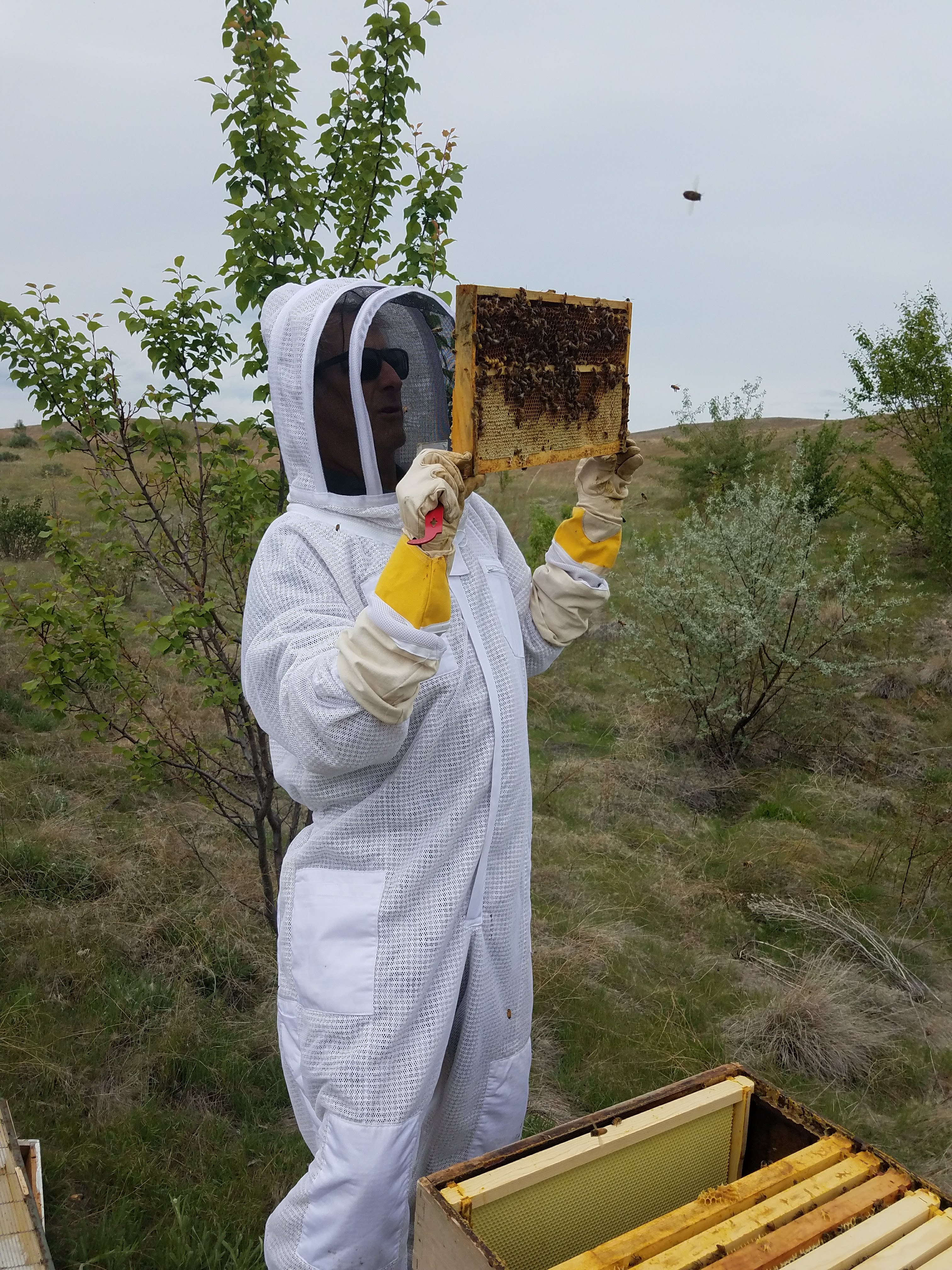
Riley’s dad checking hobby beehives in 2018.

IS: What is your favorite social insect, and why?

Honey bees from day one have captured my full attention. There are so many unique behaviors in these eusocial insects that make them a fascinating study subject. While my research interests lie more on the pathways within the insect itself, the colony structure of honey bees make them highly complex.

IS: What is the best moment/discovery in your research so far? What made it so memorable?

This past summer I worked with a mutant honey bee colony, where drones in the colony had either white or dark eyes. We ran a series of experiments to learn more about the sight deterioration in the white-eyed males. While we presumed that the white eye drones would go blind at some point, it was really exciting to perform some simple tests on this. I spent hours outside a colony observing drones leaving and returning to the colony. This was memorable partly due to the sheer amount of time I spent observing the mutants’ behaviors, but it was also fun to observe bee behaviors more generally.

IS: Do you teach or do outreach/science communication? How do you incorporate your research into these areas?

The Harpur lab works to spend a lot of time doing various outreach activities. I really enjoy connecting with the local community to talk about honey bees and pollinators more generally. I’ve done outreach with the local library as well as with scout troops in the area. My favorite moment is always when young children overcome their fear of an insect. It is a fun puzzle to teach children about honey bee genetics, and we all look forward to helping children ‘build-a-bee’ as a simple way to learn about the inner workings of a colony.

Honey bees swarming to find a new location to establish a colony. Honey bees were collected from the fruit tree and put in a new hive.

IS: What do you think are some of the important current questions in social insect research, and what’s essential for future research?

Insects play an integral role in human lives. They provide a powerful model for medical research, pollination to our agricultural systems, vital roles in our ecosystems, and so much more. I think we still lack fundamental knowledge on many social insect systems and discoveries within these systems will be key to innovative studies. Conducting comprehensive studies on the genotypes and associated phenotypes is crucial as it lays the essential groundwork for future practical research endeavors.

IS: Outside of science, what are your favorite activities, hobbies, or sports?

I am an avid reader of fiction. When I’m not pouring over journal articles, you’ll find my nose in a book. Reading is a really nice way to escape and embrace your creative side. I enjoy hiking and kayaking. Spending summers on Idaho’s whitewater was the perfect way to cool off after beekeeping.

IS: What is the last book you read? Would you recommend it? Why or why not?

The book I am currently reading for my insect genomics course is “A Primer of Population Genetics and Genomics” by Daniel L Hartl. This book has helped further my understanding of population genetics for someone whose background is more molecular biology. For my personal enjoyment, I recently read “Six of Crows” by Leigh Bardugo. I am a huge fan of books that describe things outside of our reality. While this book is more realistic than some, I really enjoyed how well-developed the character’s backstories were. There is a real art to developing a story where the reader can get inside the character’s head and understand the forces that drive them.

IS: How do you keep going when things get tough?

I am fortunate to have a supportive family and partner, as well as friends and colleagues. The going may get tough in the winter time for someone researching bees, but holding out till the next summer is well worth the wait.

Riley’s co-workers and her harvesting honey and collecting drones in 2023.

IS: If you were to go live on an uninhabited island and could only bring three things, what would you bring? Why?

I would bring a really large book, some sunscreen, and some semipermeable membranes to filter seawater. I am well known as the coworker who advises sunscreen even when wearing a bee suit as well as the one who carries around a comically large water bottle.

IS: Who do you think has had the most considerable influence on your science career?

This is a hard question to answer. My first research experience as an undergraduate was not very rewarding. I switched my path to work in an entomology lab and was met with immense support from my co-advisors Dr. Nicholas Naeger and Dr. Jennifer Han. I found a renewed passion for research and was able to grow my interest in honey bees with an independent project under their advisory. I attribute my current career trajectory to the experiences created by these mentors. I would also name my current advisor Dr. Brock Harpur for his enthusiasm in studying social insects as well as his continued support for all of the students in his lab. He has helped me to refine my skills in designing robust experiments as well as writing grants.

IS: What advice would you give to someone hoping to be a social insect researcher in the future?

My advice would be to pursue your passion and not stress over the small things. Working with social insects can be labor intensive as well as unreliable. I cannot count the number of rainy days in the summer that have added new challenges to working with honey bees. I think learning to adapt to these new challenges and to frame your mindset as each stress being a little ‘puzzle’ will help in the long term.

IS: Has learning from a mistake ever led you to success?

Absolutely. I have made many mistakes in my short career, but those are the moments that allow me to remember and adapt. When something works the very first time I do it, it’s often forgettable. If something went wrong, I was bound to learn from that experience as well as gain new skills along the way.

IS: What is your favorite place science has taken you?

I haven’t had too much need for travel in my career at this point, but my favorite place thus far is probably traveling to the Plant and Animal Genome conference in San Diego. There I was not only able to attend a wonderful conference and do a bit of sightseeing, but I was also able to connect with my advisor’s colleagues. I always look forward to making connections with people who share the same interests in insects!