Tom Ratz is a researcher at the University of Zurich, studying social interactions in arthropods like Drosophila and beetles. One of his most surprising discoveries came during his PhD while observing burying beetle mothers. Check out his latest work in Insectes Sociaux here!
IS: Who are you, and what do you do?
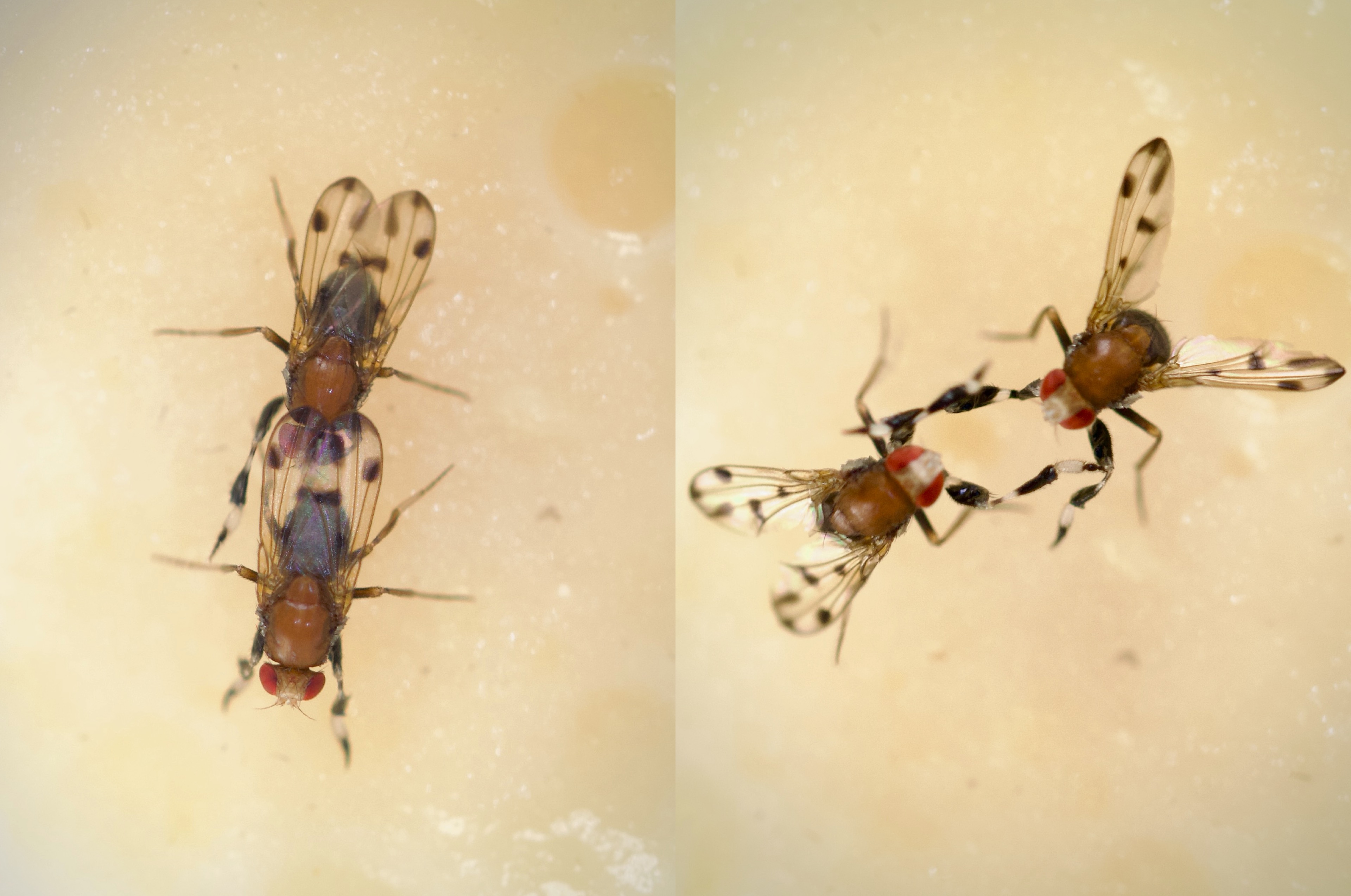
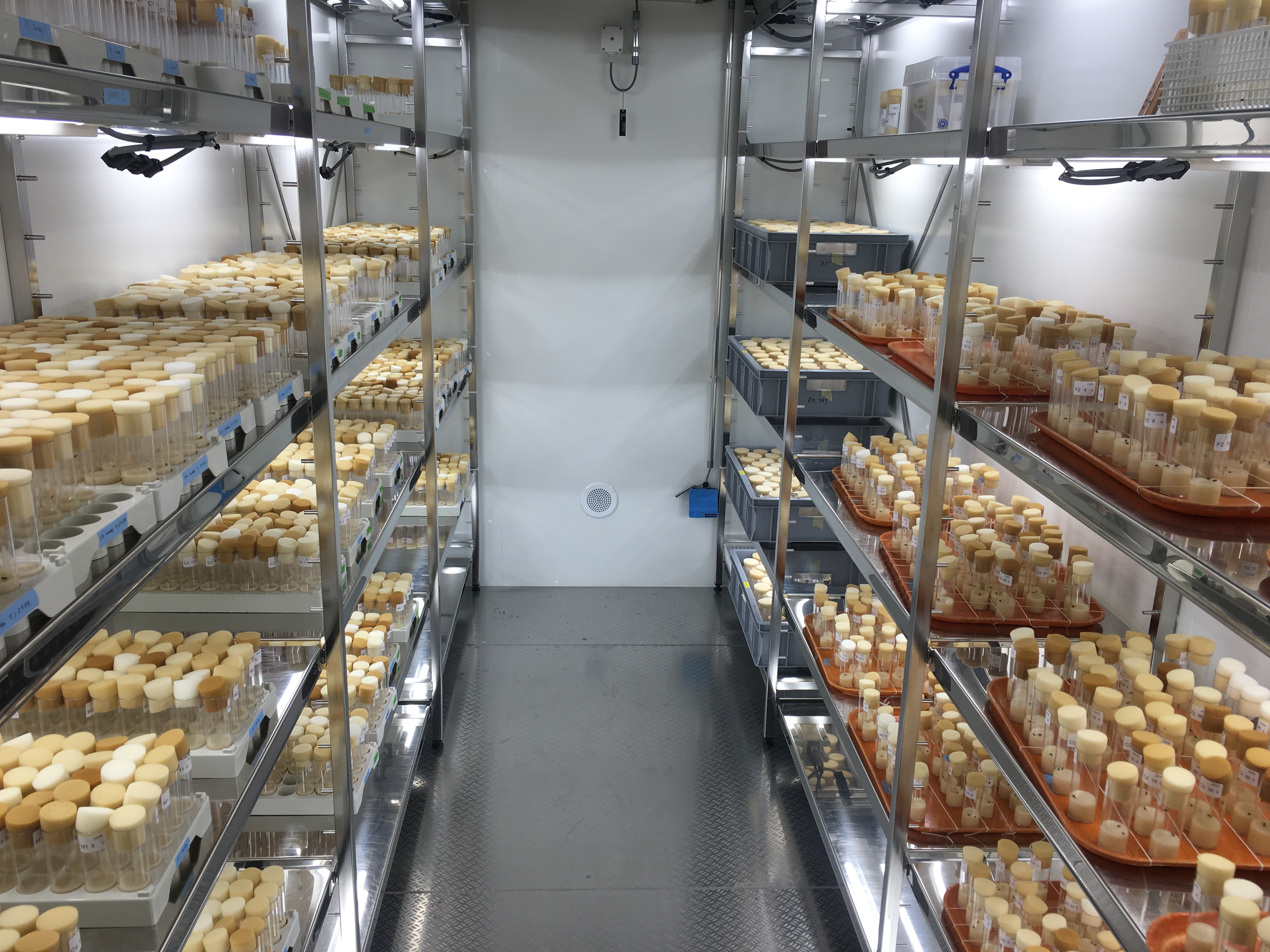
I am an SNSF Ambizione Fellow based at the Department of Evolutionary biology and Environmental Studies, University of Zurich, Switzerland. My research broadly explores social interactions in arthropods and their role in evolution. My current focus is on agonistic interactions in the highly aggressive species of fruit fly Drosophila prolongata. My group uses a combination of behavioural experiments, quantitative genetic tools, and experimental evolution to test how the competitive environment shapes the evolution of social and non-social traits.
IS: How did you develop an interest in your research?
My fascination with the insect world began early, around the age of eight, when I started collecting beetles in the backyard of my house. I was captivated by the hidden, bustling world of insects happening all around us, often unnoticed. I wanted to pursue a career in entomology and enrolled in a biology degree. During my studies, I found myself particularly drawn to ethology and behavioural ecology. Applying these fields to insects felt like an exciting way to maintain a connection to entomology while exploring broader scientific questions about behaviour and ecology.
IS: What is your favorite social insect, and why?
Burying beetles are my favourite social insects. I studied them during my PhD and still find their social behaviour incredibly enigmatic–most of which takes place on or inside the decaying carcass of a vertebrate! In a sense, what is a crypt to some is a cradle for burying beetles. Aside from their important ecological role as efficient buriers of small rodent and bird corpses, the complexity of their social interactions within family is, to me, unparalleled in the arthropod world. These behaviours include larvae begging for food and parents regurgitating a “soup” of pre-digested carcass flesh to feed them. Conveniently, burying beetles are mostly undisturbed by experimental conditions, making their behaviour relatively easy to observe and study in the lab.
IS: What is the best moment/discovery in your research so far? What made it so memorable?
A memorable discovery was analysing the data of my first PhD experiment and finding that they absolutely defied our initial predictions. Contrary to expectations, burying beetle mothers didn’t reduce care when experimentally handicapped by a led weight attached to them –instead, they provided more care. At first, this result was puzzling to me, but it became a revelation about the importance of understanding a species’ natural history. It makes sense for a parent to increase investment towards the current brood when prospects for future reproduction are low, which is the case with handicapping, even if the cost of care is higher. This insight highlighted a crucial lesson: while theoretical predictions are valuable, they must be contextualised within the specific biology of the study system.
IS: Do you teach or do outreach/science communication? How do you incorporate your research into these areas?
In both teaching and science communication I try to incorporate my own research as case studies to illustrate key concepts and bring scientific research to life. I find that people are more engaged when they can interact directly with the researchers behind the studies.
IS: What do you think are some of the important current questions in social insect research, and what is essential for future research?
In my opinion, some critical questions in the field include clarifying the role of social behaviour in shaping population dynamics and evolutionary responses. It is increasingly clear that social interactions within a group can drastically influence the population growth, survival, and how animals respond and adapt to environmental changes. However, what remains less understood is when and to what extend behavioural dynamics taking place among interacting individuals can impact group fitness and drive long-term phenotypic evolution.
IS: Outside of science, what are your favorite activities, hobbies, or sports?
One of my top hobbies is spending time outdoors. I’ve been fortunate to live near beautiful natural landscapes and mountains, which has allowed me to enjoy hiking throughout the year. It’s a great way to clear the mind and recharge. I’m also a regular at the bouldering gym. And of course, entomology remains an important hobby of mine.
IS: What is the last book you read? Would you recommend it? Why or why not?
The book “In search of us: adventures in anthropology” by Lucy Moore, and I highly recommend it. It’s a fascinating account of the origins of anthropology, told through the stories of people who helped found the discipline. It’s rich in field work and historical anecdotes. The author does a nice job of highlighting the complexities of the influential figures in the field–acknowledging both their biases as Westerners and their progressive ideas ahead of their time.

IS: How do you keep going when things get tough?
Talking things through with colleagues, friend, or family often helps. While it may not directly solve the problem, verbalising it can normalise the issue and make it feel less dramatic (which it often is). Sometimes, simply going for a walk works wonders–a change of scenery can help put things into perspective.
IS: If you were to go live on an uninhabited island and could only bring three things, what would you bring? Why?
If it can count as one item, I’d bring my partner with me. She’s incredibly resourceful and crafty, and would surely be a great survival companion (as she is in life!). I’d make sure she brings her Swiss army knife, so that’s item number two covered. And obviously a tube to collect beetles as my third item.
IS: Who do you think has had the most considerable influence on your science career?
My PhD supervisor, Per Smiseth, has been a major influence on my scientific career. He’s a mentor with exceptional work ethics. Another key figure was Sylvain Pincebourde, who took me as an intern in his lab when I just a first-year undergraduate. That was my very first real research experience, and was incredibly formative. I also owe a great deal to many other mentors and colleagues who have had an important role in shaping my interest and career in Science, including Joël Meunier, Pierre-Olivier Montiglio, Niels Dingemanse, Cristina Tuni, Stefan Lüpold, and Wolf Blanckenhorn.
IS: What advice would you give to someone hoping to be a social insect researcher in the future?
A general piece of advice, not just for someone interested in social insects, is to focus on work you’re passionate about and truly enjoy. With genuine interest and motivation, nearly everything seems to become achievable.
IS: Has learning from a mistake ever led you to success?
Yes! And, sadly, the most painful mistakes are often the ones that teach us the most.
IS: What is your favorite place science has taken you?
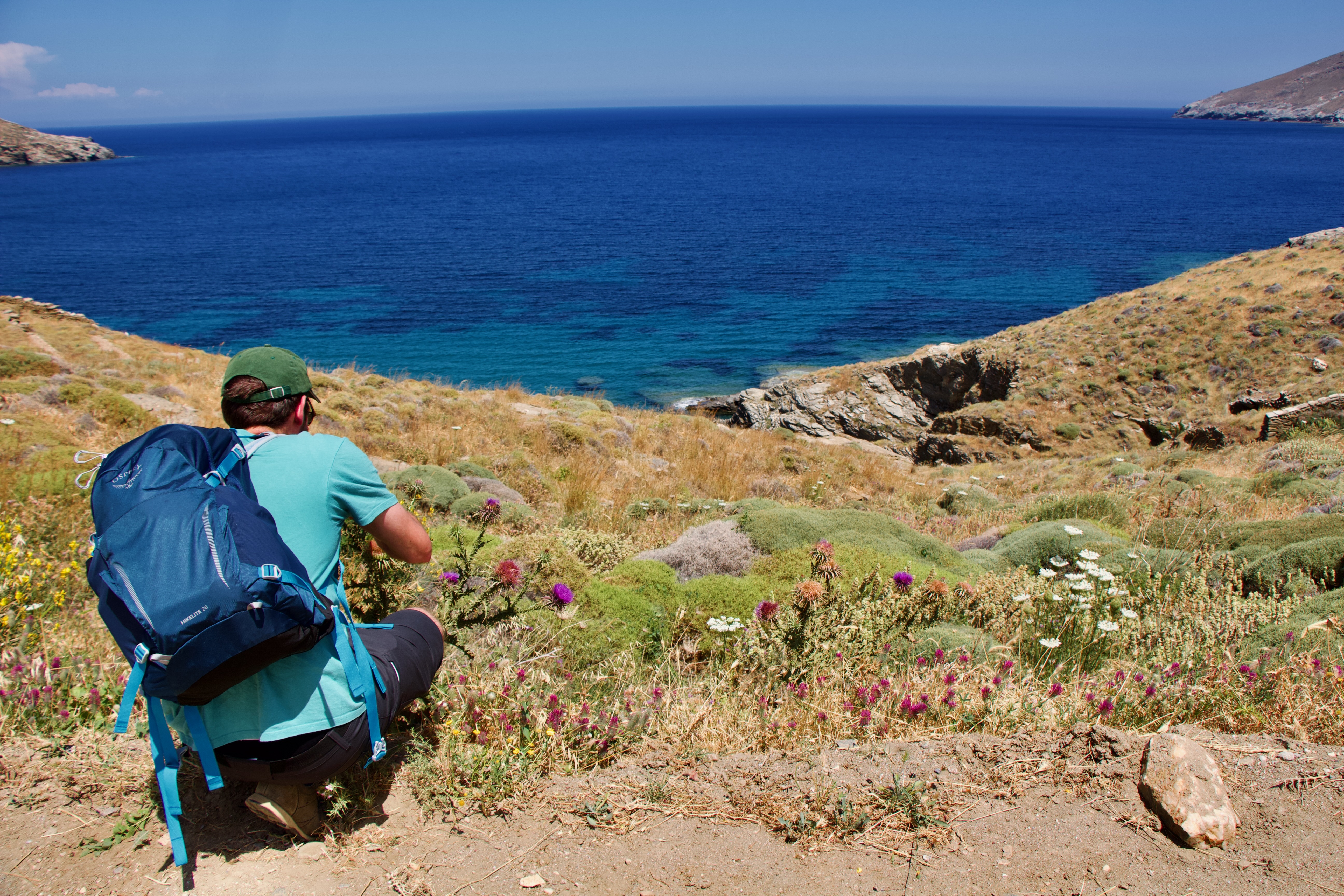
The tropical forests of Panama are a favourite of mine. I also have a soft spot for Mediterranean ecosystems. Despite their dryness, I’m always surprised by their abundance and diversity of plants and animals.
 insectessociaux